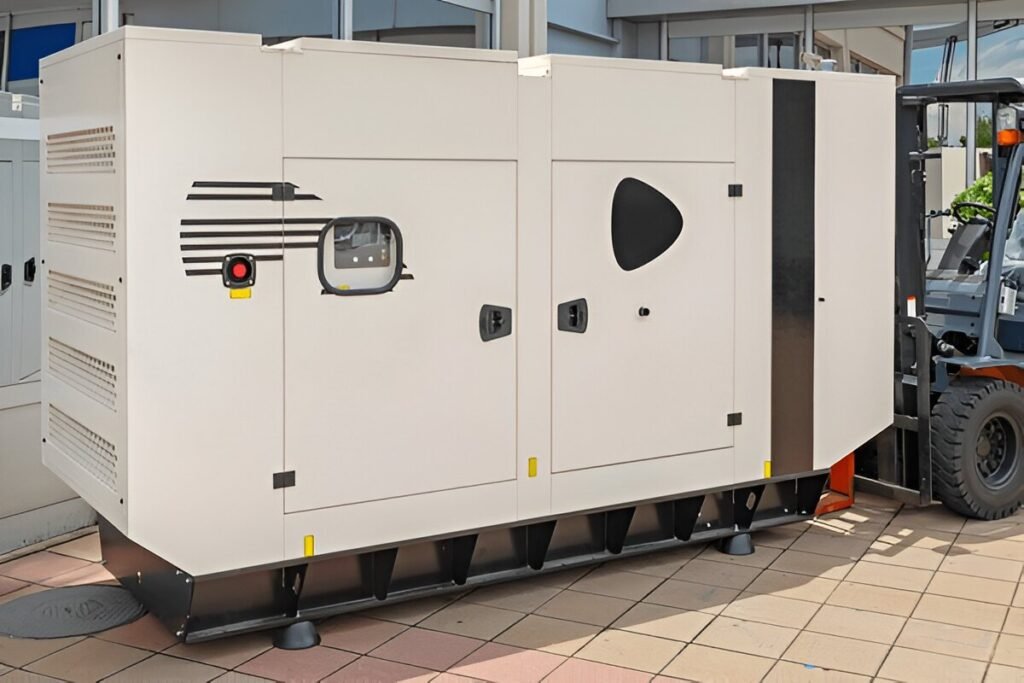
From remote job sites to emergency home power, the hum of a small diesel generator is often the sound of uninterrupted progress. These robust powerhouses are much more than simple backup systems; they’re critical components ensuring electricity where the grid can’t reach, or when it fails unexpectedly. Understanding the full spectrum of applications & use cases for small diesel generators reveals their indispensable role across various sectors, powering everything from essential household appliances to vital construction equipment.
If you’ve ever wondered how remote cabins stay lit, how vital medical equipment keeps running during a blackout, or what keeps a remote drilling operation moving, chances are a small diesel generator is at the heart of the solution. They represent a reliable, durable, and efficient source of electricity when you need it most.
At a Glance: Small Diesel Generators in Action
- Emergency Power: Essential for homes, small businesses, and critical infrastructure (e.g., medical clinics) during outages.
- Off-Grid Living: The primary power source for cabins, remote homes, and agricultural operations far from utility lines.
- Construction Sites: Powers tools, lighting, and machinery where temporary electricity is required.
- Mobile Operations: Fuels events, food trucks, and field services that require portable, reliable power.
- Disaster Relief: Provides immediate electricity for communication, lighting, and basic necessities in emergency zones.
- High Efficiency & Durability: Known for excellent fuel economy and a long operational lifespan compared to other portable options.
- Choosing Wisely: Requires assessing power needs, considering fuel efficiency, noise levels, and safety features.
Understanding the Heart of the Operation: How Small Diesel Generators Work
Before diving into their diverse uses, let's briefly touch on what makes these machines tick. A diesel generator is essentially two main components working in harmony: a diesel engine and an alternator.
The diesel engine is the power plant. Unlike gasoline engines that use spark plugs, diesel engines employ compression ignition. Air is drawn in, highly compressed, and heated to such an extent that when diesel fuel is injected, it ignites spontaneously. This combustion drives pistons, converting the chemical energy of the fuel into mechanical energy. Modern diesel engines are marvels of engineering, achieving thermal efficiencies of 40-50% and incorporating advanced features like turbochargers and electronic control units for optimal performance and cleaner emissions.
This mechanical energy from the engine then drives the alternator. Through the principle of electromagnetic induction, the alternator converts that mechanical energy into usable electrical energy. A sophisticated control panel acts as the generator’s brain, monitoring operations, regulating power output, and providing protection against faults.
In essence, a small diesel generator is a self-contained power plant, capable of delivering consistent electricity whenever and wherever you need it, often starting within 10 seconds of a power outage.
The Indispensable Role: Key Applications for Small Diesel Generators
Small diesel generators (typically ranging from 2 kW to 100 kW, though "small" can be relative) are versatile tools, finding their niche in countless scenarios where grid power is unreliable, nonexistent, or simply impractical.
1. Reliable Backup for Homes and Small Businesses
Perhaps the most recognized application, diesel generators serve as a lifeline during power outages. For homeowners, a small standby diesel generator can seamlessly kick in when the lights go out, keeping essential appliances like refrigerators, well pumps, and HVAC systems running. This is particularly crucial in areas prone to severe weather or an aging electrical grid. Imagine the peace of mind knowing your family stays comfortable and connected, even when the rest of the neighborhood is dark.
Small businesses, too, rely heavily on diesel generators to prevent costly downtime. A sudden power loss can halt operations, spoil inventory (for restaurants or grocery stores), or disrupt critical data (for offices). A diesel generator ensures business continuity, protecting revenue and customer trust.
2. Powering Remote and Off-Grid Living
For those who embrace the freedom of living off the grid, or for operations situated far from conventional power lines, a diesel generator often serves as the primary power source.
- Remote Cabins and Homes: Many remote properties or vacation homes depend entirely on generators for daily electricity. Diesel units are preferred for their efficiency, especially when running for extended periods, and for the longer storage life of diesel fuel compared to gasoline.
- Agricultural Operations: Farms, ranches, and other agricultural sites frequently operate in rural areas with limited grid access. Small diesel generators power irrigation pumps, barn lighting, livestock feeders, and essential equipment, ensuring smooth operation and productivity regardless of location.
- Rural Telecommunications: Remote cell towers, communication relays, and weather stations need constant, reliable power. Diesel generators are often deployed in these isolated locations, sometimes paired with solar panels for a hybrid solution, to maintain critical infrastructure.
- Mining and Exploration Camps: These temporary or semi-permanent sites are often established in extremely remote, harsh environments. Diesel generators provide the base-load power for living quarters, essential tools, and communication systems.
3. Essential for Construction and Job Sites
Construction sites are classic examples of temporary, power-intensive environments. From the initial groundbreaking to the final touches, a reliable power source is non-negotiable. Small diesel generators are the backbone of many construction operations:
- Powering Tools: Circular saws, jackhammers, drills, welders, and air compressors all demand significant power. Diesel generators provide a stable and robust supply to keep work progressing.
- Site Lighting: Working before dawn or after dusk, or in enclosed spaces, requires ample lighting, often supplied by portable light towers powered by diesel generators.
- Mobile Offices and Amenities: On-site trailers serving as offices, break rooms, or first-aid stations also need electricity for heating, cooling, computers, and other amenities.
- Water Pumps: For dewatering trenches or foundations, powerful pumps are essential, and they frequently run on diesel generator power.
Their rugged design and ability to handle heavy, fluctuating loads make diesel generators perfectly suited for the demanding conditions of a construction site.
4. Supporting Mobile and Event-Based Operations
The portability of many small diesel generators makes them invaluable for temporary and mobile power needs.
- Outdoor Events and Festivals: Concerts, fairs, markets, and sporting events often pop up in locations without adequate power infrastructure. Diesel generators power everything from sound systems and lighting to food stalls and vendor booths.
- Food Trucks and Mobile Businesses: These businesses rely on self-contained power for refrigeration, cooking equipment, lighting, and point-of-sale systems. A small diesel generator offers the sustained power needed for a full day of operation.
- Field Service and Emergency Crews: Utility repair teams, emergency responders, and film crews frequently operate in locations without grid access. Portable diesel generators power their tools, lights, and communication devices, enabling them to do their vital work.
- Recreational Vehicles (RVs) and Campers: While many RVs use gasoline generators, some larger models or those designed for extended, off-grid use will integrate a small diesel generator for its efficiency and longer run times.
5. Augmenting Commercial and Industrial Power
Beyond emergency backup, small diesel generators play a strategic role in larger commercial and industrial settings:
- Peak Shaving: During times of high electricity demand (and thus higher utility rates), businesses can use their diesel generators to supplement grid power, reducing their reliance on expensive peak-time electricity.
- Grid Stabilization: In certain scenarios, a network of distributed diesel generators can contribute to overall grid stability by providing supplemental power during periods of strain or localized outages.
- Data Centers: Though often equipped with much larger generators, even smaller data facilities or edge computing nodes will have robust diesel backup systems to ensure uninterrupted service for critical data storage and processing.
Why Choose Diesel? The Advantages of Small Diesel Generators
When considering a power solution, why do so many turn to diesel? The reasons boil down to a compelling combination of performance, reliability, and economic benefits. If you're looking to Explore small diesel generators, understanding these advantages is key.
Unmatched Reliability and Durability
Diesel generators are workhorses built to last. They are engineered for continuous, heavy-duty operation, often providing a lifespan of 10,000 to 30,000 operational hours – significantly longer than many gasoline alternatives. Their robust design, coupled with fewer ignition components (no spark plugs!), contributes to fewer maintenance issues and higher uptime. They are renowned for their ability to start reliably, typically kicking in within 10 seconds of a power outage, making them ideal for critical applications.
Superior Fuel Efficiency
Diesel fuel contains more energy per gallon than gasoline. This higher energy density translates directly into better fuel efficiency. Diesel engines typically achieve 45% fuel efficiency compared to around 30% for gasoline engines. This means your diesel generator will run longer on a tank of fuel and cost less to operate over time, especially during extended power outages or continuous use scenarios. For facilities requiring several days of continuous power, this efficiency is a game-changer.
Lower Flammability and Enhanced Safety
Diesel fuel is less volatile and less flammable than gasoline. It has a higher flash point, meaning it requires a higher temperature to ignite. This inherent characteristic makes diesel fuel safer to store and handle, reducing the risk of accidental fires, a critical consideration for any power generation system.
Ability to Handle High Loads
Diesel generators excel at managing variable and high electrical loads. They can handle significant power demands, providing stable voltage and frequency even when multiple heavy-duty tools or appliances start simultaneously. This makes them perfectly suited for demanding applications like construction sites or industrial machinery.
Modern Advancements and Emissions Compliance
Today's diesel generators are not your grandfather's noisy, smoky machines. Modern units incorporate advanced fuel injection systems, sophisticated electronic controls, and exhaust after-treatment technologies (like Selective Catalytic Reduction (SCR) systems and Diesel Particulate Filters (DPFs)) to significantly reduce emissions. Many comply with stringent environmental standards like Tier 4 and Euro Stage V, offering powerful performance with a much smaller environmental footprint than older models.
The Other Side of the Coin: Environmental Impact
While small diesel generators offer undeniable benefits in terms of reliability and efficiency, it's crucial to acknowledge their environmental impact. As fossil fuel-powered devices, they emit greenhouse gases such as carbon dioxide (CO2), nitrogen oxides (NOx), and particulate matter. These emissions contribute to air pollution and climate change.
Manufacturers are continually working to reduce these emissions through advanced engine design and after-treatment systems. However, the reliance on fossil fuels highlights the importance of using diesel generators responsibly, considering hybrid solutions (e.g., diesel-solar combinations), and exploring cleaner alternatives where feasible. Understanding this impact is part of making an informed decision about power generation.
Choosing the Right Small Diesel Generator: Your Actionable Guide
Selecting the perfect small diesel generator isn't a one-size-fits-all decision. It requires careful consideration of your specific needs, budget, and operational environment. Here's how to make an informed choice:
1. Accurately Assess Your Power Needs
This is the most critical step. You need to determine exactly how much wattage your equipment and appliances will require.
- List Everything: Make a comprehensive list of all the items you intend to power simultaneously.
- Running Wattage vs. Surge Wattage: Every appliance has a running wattage (what it needs to operate continuously) and a surge wattage (a brief spike of power needed to start motors, typically 2-3 times the running wattage). Always account for the highest surge wattage among your chosen appliances.
- Calculate Total Wattage: Sum up the running wattage of all continuous items, then add the highest surge wattage of any single item that will start while others are running.
- Add a Buffer: Always factor in a 10-20% buffer to avoid overloading your generator. It’s always better to have a little more power than not enough.
Examples: - Residential Backup: A small home might need 5,000-10,000 watts for essential circuits (refrigerator, lights, a few outlets, well pump). A whole-home standby might require 15,000-20,000+ watts.
- Construction Site: Powering heavy-duty tools, lights, and a mobile office could easily require 20,000-50,000 watts or more.
- Off-Grid Cabin: Basic lighting, a small refrigerator, and device charging might only need 2,000-4,000 watts.
2. Prioritize Fuel Efficiency and Run Time
Considering diesel's superior efficiency, choosing a generator that optimizes fuel consumption is smart.
- Optimal Load: Generators are most fuel-efficient when operating at 50-75% of their rated capacity. Avoid running a generator significantly under or over its optimal load.
- Inverter Technology: For smaller, portable diesel generators, consider models with inverter technology. These generators adjust engine speed to match the power demand, significantly reducing fuel consumption (up to 40%) and producing cleaner, more stable power.
3. Evaluate Size, Portability, and Noise Levels
Where will you use and store your generator?
- Size and Footprint: Ensure you have adequate, well-ventilated space for the generator, especially for stationary units.
- Portability: For construction sites, events, or camping, a portable unit with wheels and handles is essential. For home backup, a stationary standby generator is often installed permanently.
- Noise Levels: Generators produce noise. For residential areas or events, look for models with sound-attenuating enclosures, which can reduce noise levels significantly (some as low as 70 dB, comparable to a vacuum cleaner). Open-frame generators are typically much louder.
4. Don't Overlook Safety Features and Regulatory Compliance
Safety should always be paramount.
- Automatic Shutdown: Look for generators with automatic shutdown features for low oil pressure, high engine temperature, or overload conditions.
- Voltage Regulation: Automatic Voltage Regulation (AVR) is crucial for protecting sensitive electronics from power surges or fluctuations.
- GFCI Outlets: Ground Fault Circuit Interrupter (GFCI) outlets provide added protection against electrical shock.
- Emissions Standards: Ensure the generator complies with local and national emissions regulations (e.g., EPA Tier 4 in the U.S.).
5. Research Brand Reputation and Support
Investing in a generator is a long-term decision. Choose reputable brands known for quality, durability, and excellent customer support. Check reviews, warranty information, and the availability of parts and service in your area. A reliable dealer can make a significant difference in your long-term satisfaction.
Maximizing Your Generator's Performance and Lifespan
Once you've chosen your small diesel generator, proper installation, maintenance, and usage are key to ensuring its reliability and longevity.
Seamless Integration: Installing a Transfer Switch
For home or business backup power, a transfer switch is non-negotiable.
- Safety First: A transfer switch safely disconnects your home's electrical system from the utility grid before connecting it to the generator. This prevents "backfeeding," a dangerous situation where power from your generator flows back into the utility lines, potentially electrocuting utility workers.
- Professional Installation: Always have a licensed electrician install your transfer switch to ensure it meets all local electrical codes and safety standards.
- Manual vs. Automatic: Manual transfer switches require you to physically switch power sources. Automatic transfer switches (ATS) detect power outages and start the generator automatically, seamlessly switching your electrical load without any intervention from you.
Smart Load Management for Efficiency
As mentioned, generators are most efficient when operating at 50-75% of their capacity.
- Staggered Starts: Avoid starting all high-draw appliances simultaneously. Start them one by one to prevent overloading the generator's surge capacity.
- Prioritize Essential Loads: During an outage, focus on powering only essential items. Turn off lights or appliances you don't immediately need to conserve fuel and prevent unnecessary strain on the generator.
The Lifeline: Regular Maintenance
Just like your car, a diesel generator needs consistent care to perform optimally and last for years.
- Follow the Manual: Adhere strictly to the manufacturer’s recommended maintenance schedule.
- Oil and Filter Changes: Regular oil changes and filter replacements (oil, air, fuel) are crucial for engine health.
- Fuel System Checks: Regularly inspect fuel lines, tanks, and filters for debris or water, especially since diesel fuel can be prone to microbial growth if left stagnant.
- Battery Maintenance: Ensure the starting battery is charged and terminals are clean and corrosion-free. Modern generators often have a built-in battery charging system.
- Cooling System: Check coolant levels and ensure radiators and fans are clear of obstructions to prevent overheating.
- Test Runs: Even if you don't use it frequently, run your generator under a load for 30 minutes to an hour monthly. This keeps components lubricated, burns off old fuel, and ensures it's ready when an actual outage occurs.
Your Power, Your Choice
Small diesel generators stand as powerful symbols of self-reliance and preparedness. Whether you're safeguarding your home against unforeseen outages, enabling a crucial construction project, or living sustainably off the grid, these machines provide a reliable, efficient, and durable source of electricity. By understanding their mechanics, exploring their diverse applications, and carefully considering the factors that influence your purchase and maintenance, you can harness the full potential of a small diesel generator. Make an informed choice, and ensure your power needs are met, come what may.