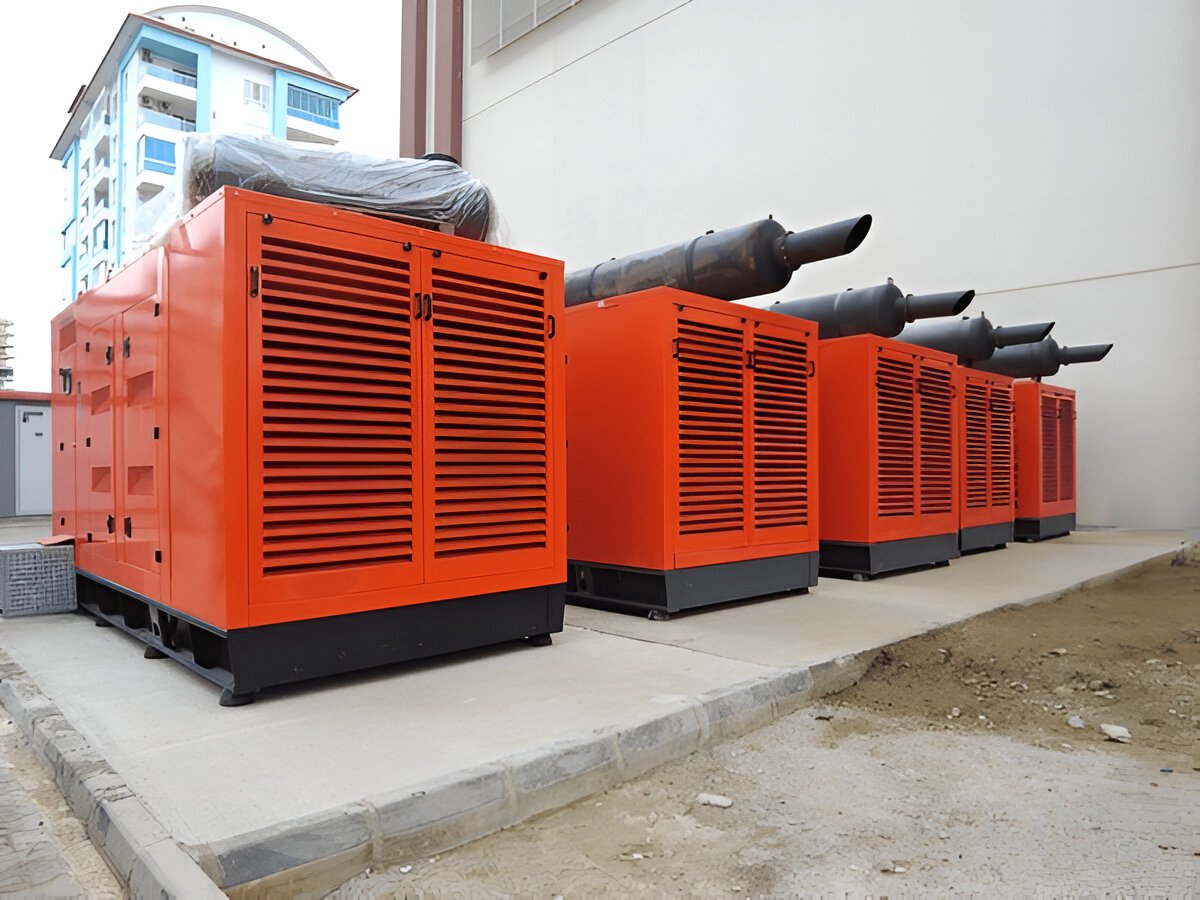
When you invest in a diesel generator, you're not just buying a machine; you're buying reliable power. But that reliability comes with a ticket price: fuel. Understanding the Fuel Efficiency & Running Costs of Diesel Generators isn't merely about saving a few bucks; it's about maximizing your investment, minimizing environmental impact, and ensuring your power source is as lean and effective as possible. Ignore these details, and you could find your "reliable" power becoming an unexpected financial drain.
This guide will peel back the layers of diesel generator economics, from how every drop of fuel converts to electricity, to the hidden costs and optimization strategies that can make a significant difference to your bottom line.
At a Glance: What You Need to Know About Diesel GenSet Efficiency & Costs
- Efficiency Peak: Diesel generators typically achieve peak electrical efficiency (over 40% fuel-to-power conversion) when loaded between 70-80% of their total capacity.
- Fuel Consumption Rule: A rough estimate suggests diesel generators use about 0.4 liters of diesel per kilowatt-hour (kWh) produced.
- Hidden Drain: Running a generator at very light or zero load for extended periods is extremely inefficient and can cause significant engine damage (wet stacking).
- Maintenance Matters: Neglected filters, injectors, and oil changes directly inflate fuel consumption and reduce performance.
- Total Cost: Initial purchase price is just one piece of the puzzle; factor in fuel, lubricants, maintenance, and potential emission control system costs.
- Diesel vs. Others: Diesel engines generally boast higher thermal efficiency than gasoline engines and often offer a longer lifespan, leading to better long-term value despite potentially higher upfront costs.
- Safety First: Always shut down a generator before refueling to prevent fire hazards. Ensure proper ventilation to avoid carbon monoxide poisoning.
Unpacking Diesel Generator Efficiency: More Than Just Gallons Per Hour
At its heart, diesel generator efficiency is about smart energy conversion. It's a measure of how effectively your generator transforms the chemical energy stored in diesel fuel into usable electrical power. The higher this efficiency, the more kilowatt-hours (kWh) you get from each liter of fuel, directly translating to reduced emissions and better value for your fuel investment.
But it's not a static number. Real-world performance is a dynamic dance influenced by several factors: the generator's design, how well it's matched to its typical load, the ambient conditions it operates in, and the quality of its maintenance. Due to fundamental thermodynamic limitations – think unavoidable heat loss, friction, exhaust gases, and the power consumed by cooling fans and other auxiliary components – no engine can convert 100% of fuel energy into usable electricity.
The Numbers Game: Metrics and Calculations That Matter
For modern industrial diesel generators, achieving electrical efficiency exceeding 40% fuel-to-power conversion is a realistic goal under ideal loads, typically when operating between 70-80% of total load capacity. Larger, slower-speed units often lead the pack in terms of fuel economy.
Calculating your generator's efficiency means comparing its electrical power output against its fuel energy input. The formula looks like this:
Electrical Efficiency (%) = (Electrical Power Output in kW / Fuel Energy Input) * 100
To make this practical, you'll measure power output in kilowatts (kW) and track fuel volume consumed over a specific period. You then convert the diesel consumption per hour using standard heating values (which define the energy content of a liter of diesel).
For a quick estimate, you can multiply the generator's rated kilowatt output by a relevant factor from a fuel consumption chart, then adjust for your current load percentage. A commonly cited rule of thumb suggests diesel generators consume approximately 0.4 liters of diesel per kWh produced.
When you're looking at your wallet, the ultimate metric is cost per kWh. This is determined by dividing the total operational cost (fuel, lube oil, and service expenses) by the total energy produced. Keeping an eye on this figure is key to understanding your true running costs.
The Silent Saboteurs: Factors Tanking Your Fuel Economy
Even the most robust diesel generator can be a fuel guzzler if certain conditions aren't met. Understanding these efficiency killers is your first step toward smarter operation.
Load Level: The Goldilocks Zone
This is arguably the most critical factor. Diesel engines are designed to run most efficiently under specific loads, generally between 70% to 80% of their total rated capacity. Think of it like a car engine cruising on the highway – it's optimized for that steady, mid-range effort.
- Sweet Spot (70-80%): You're getting the most bang for your buck, maximizing fuel conversion to power.
- Part Load (Below 50%): Efficiency drops significantly. The engine is still doing a lot of work (and consuming fuel) just to keep itself running, but it's not producing much usable power relative to that effort.
- Very Light or Zero Load: This is where trouble brews. Beyond abysmal efficiency, prolonged low-load operation leads to "wet stacking." This phenomenon occurs when unburnt fuel, soot, and oil accumulate in the exhaust system because the engine isn't hot enough to combust fuel completely. It causes carbon buildup, reduced performance, smoke, and can seriously shorten your generator's lifespan. It's a prime example of why getting a right-sized generator is so crucial, rather than simply over-specifying for safety.
Maintenance Neglect: A Costly Oversight
Just like any complex machinery, a diesel engine thrives on regular care. Skimping on maintenance is a false economy.
- Dirty Filters: Air, fuel, and oil filters are essential. A clogged air filter chokes the engine, making it work harder and consume more fuel. Dirty fuel filters restrict fuel flow, straining the pump and injectors.
- Worn Injectors: Fuel injectors precisely atomize diesel into a fine mist for optimal combustion. Worn, dirty, or improperly functioning injectors will spray fuel unevenly, leading to incomplete combustion, wasted fuel, and increased emissions.
- Out-of-Spec Engine: Anything from incorrect valve clearances to worn piston rings can reduce compression, leading to less efficient combustion and higher fuel consumption. This highlights the importance of adhering to a strict routine maintenance schedule.
Ambient Conditions: The Environmental Toll
The environment your generator operates in has a direct impact on its performance.
- High Ambient Temperatures: Diesel engines rely on cool, dense air for efficient combustion. In hot climates, the air is less dense, meaning less oxygen is available for combustion, which can reduce power output and increase fuel consumption for the same load.
- High Altitude: Similar to high temperatures, higher altitudes mean thinner air (less oxygen). This directly affects engine performance, leading to power derating and increased fuel consumption per kWh.
Fuel Quality: More Than Just What's in the Tank
The quality of your diesel fuel is paramount. It's not just about preventing contamination; it's about stability and energy content.
- Contamination: Water, sediment, and microbial growth (diesel bug) can clog filters, corrode fuel system components, and damage injectors.
- Fuel Stability: Diesel fuel can degrade over time, especially when stored improperly, forming gums and varnishes that can clog filters and injectors. Using aged or poor-quality fuel directly impacts combustion efficiency.
- Cetane Rating: Diesel fuel's cetane number indicates how quickly and efficiently it ignites. A lower cetane rating can lead to incomplete combustion, reduced power, and higher fuel consumption.
Engine Design and Age: The March of Progress
Technology marches on, and generator engines are no exception.
- Modern Engines: Contemporary diesel generators incorporate advanced fuel injection systems (like common rail), electronic governors, turbocharging, and sophisticated engine management systems that optimize combustion across various loads, resulting in superior fuel economy compared to older models.
- Age and Wear: Even with perfect maintenance, an older engine will eventually experience wear and tear that cumulatively reduces its efficiency.
Maximizing Every Drop: Practical Optimization & Maintenance
Optimizing your diesel generator's fuel efficiency isn't rocket science, but it does require diligence and smart operational practices. These strategies can significantly extend your fuel budget and the life of your equipment.
Load Management: Staying in the Sweet Spot
The most impactful optimization you can make is ensuring your generator operates within its optimal load band (70-80%).
- Load Sharing: If you have multiple generators, use load sharing systems to distribute the load across units, allowing each to run closer to its peak efficiency.
- Load Sequencing: Prioritize critical loads and sequence less critical ones to bring the generator into its efficient operating range. For example, if your minimum load is 40kW and your generator is rated for 100kW, find ways to add another 30-40kW of non-critical load during operation.
- Right Sizing: This goes back to initial selection. Don't buy a 200kW generator if your typical maximum load is 70kW. A right-sized generator is inherently more efficient.
Strict Service Intervals: Your Best Investment
Adhering to the manufacturer's recommended service schedule is non-negotiable for efficiency and longevity.
- Oil and Filter Changes: Regular oil changes with the correct grade of oil reduce friction and wear. Clean oil and fuel filters ensure optimal fuel delivery and combustion.
- Coolant System Checks: A properly functioning cooling system maintains optimal engine operating temperatures, preventing overheating (which can waste fuel) and ensuring consistent performance.
- Injector Servicing: Periodically inspect, clean, and if necessary, replace fuel injectors to ensure precise fuel atomization and complete combustion. This is a key part of any comprehensive routine maintenance schedule.
Fuel Quality and Storage: Keeping it Pristine
Your fuel system is only as good as the fuel it receives.
- Source Quality Fuel: Purchase diesel from reputable suppliers to ensure it meets quality standards (e.g., cetane rating, low sulfur content).
- Proper Storage: Store fuel in clean, sealed tanks, away from direct sunlight and extreme temperatures, to prevent contamination and degradation. Regularly check for water ingress and microbial growth.
- Fuel Polishing: For long-term storage or critical applications, consider fuel polishing systems to remove contaminants and maintain fuel quality.
Performance Tracking: What You Measure, You Can Manage
You can't improve what you don't measure.
- Metering: Install calibrated fuel meters to track liters per hour or gallons per hour, and kilowatt meters to track kWh produced. This allows you to calculate actual fuel consumption rates and cost per kWh.
- Data Logging: Regularly log fuel consumption against load levels to identify trends, diagnose inefficiencies, and make informed adjustments.
- Load Bank Testing: Periodically performing load bank testing is crucial. It simulates real-world loads, allows the engine to reach optimal operating temperatures, burns off carbon deposits (addressing wet stacking), and verifies that the generator can deliver its rated power efficiently.
Modern Upgrades and Retrofits: Breathing New Life into Old Iron
For older generators, certain upgrades can significantly boost efficiency.
- Electronic Governors: These provide more precise engine speed control than mechanical governors, optimizing fuel delivery for varying loads.
- Advanced Control Systems: Modern control panels can offer better load management capabilities, remote monitoring, and diagnostics that help identify efficiency issues.
- Emission Control Systems: While primarily for environmental compliance, some advanced systems (like Selective Catalytic Reduction - SCR) can also indirectly contribute to overall engine health and performance by maintaining cleaner combustion.
Diesel vs. The Alternatives: A Fuel Showdown
Choosing a generator often comes down to balancing upfront cost, fuel availability, operating expenses, and specific application needs. Diesel generators hold a strong position, but it's helpful to see where they stand against common alternatives.
Thermal Efficiency: Diesel's Edge
Diesel engines typically boast a thermal efficiency of 35% to 45%, which is generally higher than gasoline generators. This means a larger percentage of the fuel's energy is converted into mechanical work. Natural gas generators can achieve similar or even slightly higher efficiencies in some designs, particularly larger units.
Gasoline Generators: Lower Cost, Higher Consumption
- Pros: Generally less expensive upfront, readily available fuel (if you have a local gas station), more compact and lighter for smaller portable units.
- Cons: Significantly less fuel-efficient than diesel, shorter lifespan for the engine, higher maintenance requirements over time, and gasoline degrades faster in storage. They also have a lower energy content per gallon.
- Verdict: Good for infrequent, short-duration use where portability and low initial cost are paramount.
Natural Gas Generators: Consistent Power, Infrastructure Dependent
- Pros: Reliable, highly efficient, and natural gas is often less expensive per unit of energy than diesel in many regions. Lower emissions than diesel without complex aftertreatment. No on-site fuel storage required if connected to a utility line.
- Cons: Higher upfront cost than diesel, requires a steady utility gas supply line (not suitable for remote or highly mobile applications), and performance can be affected by gas pressure fluctuations.
- Verdict: Excellent for stationary backup power where a natural gas line is accessible and long run times are expected. Consider them for professional installation in homes or businesses.
Propane Generators: Flexible but Prone to Storage Challenges
- Pros: Similar to natural gas in efficiency and reliability (often slightly lower), generally cleaner burning than diesel, and propane can be stored on-site in tanks, offering more flexibility than natural gas lines. Often has lower fuel costs than diesel per equivalent energy unit.
- Cons: Higher upfront cost than diesel, and propane tanks require significant space and regular refueling/replenishment. Fuel availability can be an issue in remote areas.
- Verdict: A good choice for backup power where natural gas isn't available but on-site fuel storage is manageable, or for smaller portable units. They offer a flexible alternative when choosing the right fuel type is critical.
The Energy Content Advantage of Diesel
A key factor in diesel's efficiency is its energy density. Diesel fuel has a higher energy content and density than gasoline, meaning there's more usable energy packed into each liter. This allows diesel generators to operate significantly longer on the same volume of fuel – typically 20-35% farther on a gallon compared to gasoline. While diesel fuel can sometimes be more expensive per gallon than gasoline, its superior energy content and engine efficiency often result in lower long-term fuel costs per kWh generated.
Beyond the Pump: Understanding Total Cost of Ownership
The purchase price of a diesel generator is only the beginning. To truly understand its value, you need to look at the Total Cost of Ownership (TCO), which factors in everything from initial capital outlay to daily operational expenses over its entire lifespan.
Initial Capital Cost: The Sticker Shock
Diesel generators, especially larger industrial units, often come with a higher initial cost compared to their gasoline or even some natural gas counterparts. This is particularly true for units designed to meet stringent emission standards like EPA Tier 4. These regulations mandate advanced aftertreatment systems, such as Selective Catalytic Reduction (SCR) with AdBlue (Diesel Exhaust Fluid) injection, or Diesel Particulate Filters (DPF). These technologies are expensive to engineer and integrate, which can increase the generator's cost by 40-50% compared to a non-emission-compliant unit or a comparable natural gas generator.
While this upfront investment is substantial, it's crucial to weigh it against the generator's expected lifespan and operational advantages.
Fuel Consumption: The Daily Burn
This is usually the largest ongoing operational expense. As discussed, fuel efficiency varies greatly with load and maintenance. Accurately tracking your fuel consumption per kWh produced is paramount for budgeting. Fluctuations in diesel fuel prices can also significantly impact this cost, making long-term fuel contracts or robust fuel storage strategies valuable.
Lubricants and Filters: The Essential Consumables
Engine oil, coolant, air filters, fuel filters, and oil filters are critical for generator health and must be replaced at specified intervals. These costs add up but are non-negotiable for maintaining efficiency and preventing more expensive repairs down the line. For generators with emission control systems, the cost of AdBlue (DEF) for SCR systems is another ongoing consumable expense to factor in.
Maintenance and Servicing: Proactive Protection
Regular preventative maintenance, including inspections, adjustments, and minor repairs, is essential. While these costs are ongoing, they are far less expensive than reactive repairs due to neglect. Consider service contracts with reputable providers for predictable costs and expert care. This could also include periodic load bank testing, which has a cost but pays off in confirming efficiency and preventing wet stacking.
Repairs and Parts: The Unexpected
Even with the best maintenance, components can fail over time. Factor in a budget for unforeseen repairs, especially as the generator ages. The availability and cost of spare parts can vary by manufacturer and model.
Capital Recovery and Lifespan: Long-Term Value
Diesel generators are renowned for their durability and long operational lifespans – often tens of thousands of hours if properly maintained. This extended useful life means you can amortize the higher initial capital cost over many years, potentially leading to a lower overall cost of ownership compared to units with shorter lifespans and more frequent replacement cycles. When evaluating TCO, consider how long you expect to keep the generator and how that aligns with its estimated operational life.
Safety First, Emissions Second: Responsible Diesel Gen Use
Operating a diesel generator responsibly means prioritizing both human safety and environmental stewardship. Ignoring either can have severe consequences.
Operational Safety: Guarding Against Hazards
- Refueling Protocols: This is a critical safety point. Refueling a hot power generator while it's operating is inherently unsafe. Spilled fuel on hot engine surfaces or exhaust components can easily ignite, leading to severe fires or explosions. Industry guidance unequivocally advises shutting down the generator and allowing it to cool before attempting to refuel.
- Ventilation is Vital: When operating a generator in an enclosed space (such as a garage, shed, or basement), proper ventilation is absolutely non-negotiable. Diesel engines, like all internal combustion engines, produce deadly carbon monoxide (CO), an odorless, colorless gas. Inadequate ventilation can lead to rapid CO buildup and fatal poisoning. Always ensure exhaust gases are safely directed outdoors and away from windows, doors, and vents of occupied buildings. Install carbon monoxide detectors in any areas where a generator is operating or exhaust fumes could intrude.
- Electrical Safety: Ensure all electrical connections are properly made and grounded. Use appropriate gauge wiring and avoid overloading circuits. Regular inspections of wiring and connections are crucial to prevent electrical fires or shocks. If you're unsure, always defer to safety protocols and consult a qualified electrician.
- Fire Extinguishers: Keep appropriate fire extinguishers (rated for Class B and C fires) readily accessible near the generator.
Environmental Impact and Emission Controls
Diesel generators, while vital, do contribute to air pollution. Modern regulations, especially in regions like the US (EPA Tier standards) and California (CARB certified generators), aim to mitigate this impact.
- Key Pollutants: Diesel exhaust contains several harmful pollutants, including:
- Carbon Dioxide (CO2): A primary greenhouse gas contributing to climate change.
- Particulate Matter (PM): Fine soot particles that can penetrate lungs and cause respiratory and cardiovascular issues.
- Nitrogen Oxides (NOx): A family of gases that contribute to smog, acid rain, and respiratory problems.
- Unburnt Hydrocarbons (UHC): Partially combusted fuel components.
- Carbon Monoxide (CO): A toxic gas, as mentioned above.
- Emission Control Systems: To meet stringent standards, modern diesel generators often incorporate advanced emission control technologies:
- Diesel Particulate Filters (DPF): These trap soot (particulate matter) from the exhaust stream. They require periodic "regeneration," a process that burns off the accumulated soot.
- Selective Catalytic Reduction (SCR) Systems: These inject a urea-based solution (AdBlue or Diesel Exhaust Fluid - DEF) into the exhaust stream, which reacts with NOx gases over a catalyst to convert them into harmless nitrogen and water vapor. These systems require regular replenishment of DEF.
- Maintenance of Controls: These emission control systems are complex and require regular maintenance to function effectively. Neglecting them not only leads to higher emissions but can also cause operational issues for the generator itself, including reduced power or forced shutdowns.
By being diligent with both safety and environmental practices, you ensure your diesel generator provides reliable power without compromising the well-being of people or the planet.
Precision Power: Operational Best Practices for Peak Performance
Operating a diesel generator with precision can unlock its full efficiency potential, extend its life, and provide consistent, reliable power. It’s about more than just starting it up; it’s about strategic management.
Accurate Efficiency Measurement: Know Your Numbers
To truly optimize, you need reliable data.
- Calibrated Meters: Install highly accurate fuel flow meters and kilowatt meters. These aren't luxuries; they're essential tools for understanding your generator's actual consumption and output.
- Steady State Readings: Record data during periods of stable operation (e.g., consistent load for at least an hour). Transient loads can skew efficiency readings.
- Fuel Temperature and Density Adjustments: Fuel density changes with temperature, affecting volume measurements. Adjust readings to a standard temperature to ensure consistent comparisons.
- Performance Curves with Load Banks: Utilize portable load banks to systematically vary the load on your generator. This allows you to create an accurate fuel consumption versus load curve, pinpointing your generator's specific sweet spots and inefficient zones.
Avoiding the "Wet Stacking" Trap: A Generator's Worst Nightmare
We've mentioned wet stacking, but its importance bears repeating. Running a diesel generator for long periods at very light or zero load is a recipe for disaster.
- The Problem: Low-load operation prevents the engine from reaching optimal operating temperatures. Fuel doesn't combust completely, leading to unburnt fuel and carbon deposits accumulating in the combustion chamber, exhaust manifold, and turbocharger.
- The Consequences: This manifests as excessive black smoke, reduced power, increased fuel consumption, cylinder glazing, premature wear, and even engine failure.
- The Solution:
- Proper Sizing: This is the best defense. Ensure your generator is sized to match your typical load requirements, aiming for that 70-80% optimal load.
- Load Management: Use automatic transfer switches and sophisticated load management systems to prioritize critical circuits and bring online non-critical loads (like water heaters or HVAC systems) only when the generator is under-loaded.
- Regular Load Bank Testing: As discussed, periodic load bank testing to 70-80% capacity is an excellent way to burn off carbon deposits and prevent wet stacking from developing.
- Multi-Unit Plants: In facilities with multiple generators, rotate sets based on hours and current fuel efficiency metrics. This ensures even wear and allows each unit to be exercised properly.
Proactive Maintenance: The Efficiency Enabler
Never underestimate the power of a well-executed maintenance program.
- Beyond Basic Changes: While oil, filter, and coolant changes are foundational, also ensure regular checks of turbochargers, exhaust systems, fuel lines, electrical connections, and battery health.
- Diagnostic Tools: Employ modern diagnostic tools to monitor engine parameters, identify potential issues before they become critical, and optimize settings for peak efficiency.
- Operator Training: Well-trained operators are less likely to make mistakes that impact efficiency or lead to safety hazards. They understand the nuances of the equipment.
By integrating these best practices into your operational routine, you transform your diesel generator from a simple power source into a finely tuned, highly efficient asset.
The Enduring Powerhouse: Key Characteristics & Applications
Diesel generators have earned their reputation as the workhorses of the power generation world, celebrated for their unwavering reliability, robust durability, and incredible versatility. These characteristics cement their role in critical applications globally.
Reliability and Durability: Built to Last
Diesel engines are inherently heavy-duty. Designed to withstand high compression ratios and continuous operation, they offer exceptional longevity, often outlasting gasoline counterparts by a significant margin. This makes them a preferred choice for applications where downtime is simply not an option. Their ability to start quickly and assume full load rapidly makes them invaluable for emergency and standby power.
Versatility in Application: Everywhere Power is Needed
You'll find diesel generators in an astonishing array of settings:
- Homes and Businesses: Providing essential backup power during grid outages, protecting everything from refrigerators to critical IT systems.
- Hospitals and Healthcare Facilities: Absolutely vital for maintaining life support systems, operating rooms, and essential medical equipment, ensuring patient safety.
- Data Centers: Safeguarding critical data and ensuring continuous online services, where even a momentary power flicker can be catastrophic.
- Construction Sites: Powering heavy machinery, tools, and temporary lighting in locations without grid access.
- Remote Locations: The primary power source for mining operations, agricultural facilities, and telecommunications towers far from utility lines.
- Industrial Plants: Providing standby power for manufacturing processes, or primary power for off-grid operations.
- Marine and Military Applications: Their robustness and fuel efficiency make them ideal for powering vessels and critical defense infrastructure.
Advancements and Evolution: Cleaner, Smarter, Quieter
While diesel generators have been a staple for decades, they are far from static technology. Recent advancements have focused on addressing their traditional drawbacks:
- Fuel Efficiency: Modern engines, with sophisticated electronic controls, common rail injection, and turbocharging, are more fuel-efficient than ever before, extracting more energy from every liter of diesel.
- Emission Control: As discussed, emission control technologies like SCR and DPF systems have drastically reduced pollutants, making modern diesel generators much cleaner and compliant with stringent environmental regulations.
- Noise Reduction: Traditionally known for being noisy (often up to 110 dB(A) at 1 meter without suppression), modern designs incorporate advanced sound-attenuating canopies and enclosures that can reduce noise levels significantly, often down to a much more manageable 65-75 dB(A) at 1 meter, making them more suitable for residential and urban environments. Explore small diesel generators for options that often prioritize quieter operation and more compact designs.
- Weight and Size: While still heavier than gasoline alternatives, ongoing engineering efforts are leading to more compact and lighter designs, improving their transportability and installation flexibility.
Despite the rise of alternative power sources, the diesel generator continues to be an indispensable asset, evolving to meet the demands for reliable, efficient, and environmentally responsible power in a rapidly changing world.