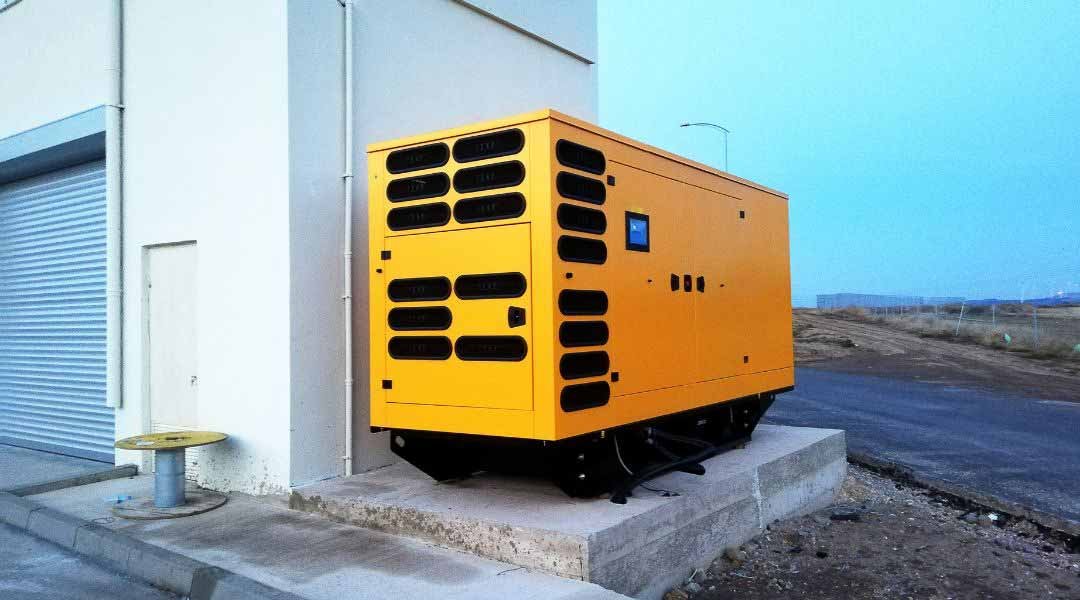
Diesel generators are the silent guardians of uninterrupted power, from critical industrial operations to remote community lifelines. But like any vital piece of machinery, their ability to deliver consistent, reliable power hinges entirely on diligent Maintenance, Servicing & Longevity of Diesel Generators. Ignoring these crucial aspects isn't just a risk; it's a guarantee of future headaches, costly downtime, and a drastically shortened lifespan for your investment.
Think of your diesel generator as a high-performance athlete: it requires regular check-ups, the right fuel, and careful conditioning to perform at its peak and avoid injury. This comprehensive guide will walk you through establishing a robust maintenance regimen, understanding what influences your generator's lifespan, and empowering you to keep it running smoothly for decades.
At a Glance: Your Generator's Lifeline
- Routine is paramount: Regular inspections and servicing prevent unexpected breakdowns.
- Every component matters: Engine, fuel system, cooling, battery, and controls all need attention.
- Frequency matters: Daily checks, weekly tests, monthly tweaks, quarterly services, and annual overhauls are all vital.
- Oil is crucial: Change oil and filters every 100-250 hours or annually, whichever comes first.
- Optimal load is 70-80%: Operating outside this range can shorten your generator's life.
- Lifespan expectations: Expect 20,000-30,000 operating hours or 15-20 years with proper care.
- Professional help: Don't hesitate to engage experts for complex tasks or compliance.
Why Diligent Maintenance Isn't Optional, It's Essential
You wouldn't drive a car for years without an oil change, nor would you expect a complex machine to perform flawlessly without care. A diesel generator is no different. Proactive maintenance is the cornerstone of operational reliability, directly impacting your bottom line and peace of mind.
By adhering to a consistent maintenance schedule, you're not just preventing breakdowns; you're also:
- Extending its operational life: Maximizing your investment for years, even decades.
- Optimizing fuel efficiency: A well-maintained engine runs cleaner and more economically.
- Ensuring peak performance: Always ready to deliver its rated power when needed most.
- Reducing costly emergency repairs: Catching small issues before they become catastrophic failures.
- Maintaining warranty validity: Most manufacturers require documented maintenance for warranty claims.
- Enhancing safety: Identifying and rectifying potential hazards before they cause harm.
Skipping routine checks or delaying servicing is a false economy. The cost of an unscheduled shutdown, lost productivity, or a major component replacement far outweighs the expense of regular, planned maintenance.
Building Your Generator's Lifeline: Crafting a Maintenance Schedule
Establishing a clear, actionable maintenance schedule is the single most effective step you can take for your diesel generator. This isn't a one-size-fits-all solution; it must be tailored to your specific generator model, its usage patterns, and environmental conditions.
Start with the Master Plan: Your Technical Manual
Your generator's technical or owner's manual is your bible. It contains model-specific service intervals, fluid types, torque specifications, and detailed procedures recommended by the manufacturer. Always refer to this document first when building or adjusting your schedule. Ignoring manufacturer guidelines can invalidate warranties and lead to incorrect servicing.
Categorizing Tasks: A Frequency-Based Approach
To keep things manageable, organize tasks by how often they need to be performed. This ensures nothing is overlooked and allows for efficient scheduling.
Daily Checks: A Quick Visual Health Scan
These are quick, non-intrusive inspections you or your on-site staff can perform regularly, especially if the generator is in active use or on standby for critical applications.
- Fuel Level: Ensure adequate fuel for upcoming operations or emergencies.
- Oil Level: Check engine oil level and top up if necessary.
- Coolant Level: Verify coolant is at the recommended level in the radiator and expansion tank.
- Leaks: Visually inspect for any signs of fuel, oil, or coolant leaks around the engine, hoses, and connections.
- Cleanliness: Keep the generator clean and free from debris, especially around air intakes and exhaust.
- Dashboard Indicators: Check the control panel for any warning lights or fault codes.
Weekly Tasks: Keeping Key Systems Ready
These tasks delve a little deeper, ensuring critical operational components are ready for action.
- Battery Condition: Test battery voltage and specific gravity (if applicable). Check terminals for corrosion and ensure connections are tight.
- Coolant Level & Quality: Beyond just level, inspect coolant for any discoloration or signs of contamination.
- Run Under Load: This is crucial. Start the generator and run it for 15-30 minutes, ideally under at least 30-50% of its rated load. This helps circulate fluids, prevents 'wet stacking' (unburnt fuel buildup), and allows you to observe its performance.
- Exhaust System Check: Look for any obstructions, leaks, or unusual smoke patterns during the test run.
Monthly Maintenance: Focusing on Air and Flow
As you move into monthly tasks, the focus shifts to components that directly impact engine breathing and fuel delivery.
- Air Filters: Inspect the air filter for excessive dirt or debris. Clean or replace if visibly clogged. A dirty air filter restricts airflow, reducing efficiency and increasing fuel consumption.
- Fuel Filters: Inspect primary and secondary fuel filters. If they appear clogged or if the generator experiences fuel delivery issues, replace them. Don't wait for complete blockage.
- Belts and Hoses: Check all drive belts for tension, cracks, fraying, or wear. Inspect coolant and fuel hoses for cracks, bulges, or leaks. Replace any damaged components.
- Radiator Fins: Clean any accumulated dust or debris from the radiator fins to ensure efficient cooling.
Quarterly Service: The Deep Dive
Every three months, it's time for more intensive servicing, often involving fluid and filter changes.
- Oil and Oil Filter Change: As the engine's lifeblood, oil and its filter are critical. We'll delve into this more below, but quarterly changes are a good benchmark for generators with moderate use.
- Cooling System Cleanliness: Check the radiator and coolant system for sludge or sediment buildup. Consider flushing and replacing coolant if recommended by the manufacturer or if contamination is observed.
- Control Panel Test: Verify all gauges, lights, and emergency shutdown features are functioning correctly.
Annual Overhaul: Comprehensive Health Check
Once a year, or after a specific number of operating hours (refer to your manual), a comprehensive inspection and service are required. This often benefits from professional expertise.
- Full Engine Inspection: A thorough check of all engine components, including valve clearances (adjustment if needed), injector performance (cleaning or replacement), and turbocharger inspection.
- Fuel Injector Cleaning/Testing: Ensure injectors are delivering fuel efficiently and atomizing it correctly.
- Exhaust System: Inspect the entire exhaust system, including manifold, muffler, and piping, for corrosion, leaks, or blockages.
- Electrical System: Comprehensive check of wiring, connections, alternators, and charging systems.
- Load Bank Test: A more rigorous test than weekly runs, a load bank test verifies the generator's ability to handle its full rated load and stresses components to reveal any weaknesses.
Sample Maintenance Calendar (Example)
| Frequency | Key Tasks |
|---|---|
| Daily | Check fuel, oil, coolant levels. Visually inspect for leaks. Look for warning lights. Keep surroundings clean. |
| Weekly | Test battery. Check coolant quality. Run generator under at least 30% load for 15-30 mins. Inspect exhaust. |
| Monthly | Inspect/clean air filter. Inspect/replace fuel filters. Check belts and hoses for wear. Clean radiator fins. |
| Quarterly | Change engine oil and oil filter. Clean cooling system. Test control panel functions. |
| Annually | Full engine inspection (valves, injectors). Comprehensive exhaust system check. Electrical system audit. Load bank test (recommended). Consider professional service. |
| As Needed | Check/replace block heater. Replace air/fuel filters more frequently in dusty/dirty environments. Address any anomalies immediately. |
The Importance of Documentation
Every single maintenance activity, inspection, and repair needs to be meticulously recorded. This log becomes an invaluable resource, allowing you to:
- Track the generator's health over time.
- Identify recurring issues or abnormal wear patterns.
- Plan future servicing and predict component lifespan.
- Provide a service history for warranty claims or resale.
- Ensure compliance with operational standards.
Include the date, task performed, observations, parts replaced, and the technician's initials.
The Lifeblood: Understanding Diesel Generator Oil Changes
Engine oil is perhaps the most critical consumable for your diesel generator. It lubricates moving parts, reduces friction, dissipates heat, and cleans the engine from combustion byproducts. Neglecting oil changes is a direct path to premature engine wear and failure.
How Often Should You Change the Oil?
General guidelines suggest changing the oil and oil filter every 100 to 250 hours of operation. For generators with very infrequent use, a minimum of once a year is recommended, even if the hour count hasn't been reached. Oil degrades over time and with exposure to air and contaminants, even when sitting idle.
Factors Influencing Oil Change Frequency:
- Operating Hours: The primary metric. Track your generator's hour meter closely.
- Load Conditions: Generators consistently running at higher loads (e.g., 70-80%) might require more frequent changes due to increased heat and stress on the oil.
- Environmental Conditions: Dusty, dirty, or humid environments can contaminate oil faster, necessitating shorter intervals.
- Fuel Quality: Poor fuel can lead to more soot and contaminants in the oil.
- Oil Analysis: For large operations, periodic oil analysis can precisely determine the oil's remaining life and identify potential engine issues early.
Always Replace the Oil Filter
It's a golden rule: every time you change the oil, replace the oil filter. The filter traps contaminants that would otherwise circulate through the engine. A new filter ensures the fresh oil remains clean and effective from day one.
Beyond the Checklist: Monitoring and Adapting Your Plan
A maintenance schedule isn't static; it's a living document that needs regular review and adjustment. Your generator's performance, environment, and usage will dictate how you fine-tune your approach.
Tips for Effective Monitoring:
- Performance Tests: Regularly run the generator under load (as per your weekly tasks) and observe its behavior. Listen for unusual noises, check exhaust smoke, and monitor temperature and pressure gauges.
- Diagnostic Tools: Modern diesel generators often come with sophisticated control panels and diagnostic capabilities. Utilize these to pull fault codes, monitor sensor readings, and track performance metrics.
- Staff Training: Train anyone operating or regularly inspecting the generator to recognize early warning signs of trouble. Empower them to report issues promptly.
- Maintenance Records: As mentioned, your documentation is crucial. Review records regularly to identify patterns—is your generator consistently burning through oil faster? Are certain components failing prematurely? This data informs future adjustments.
- Schedule Emergency Slots: While not a "scheduled" item, always have a plan for unscheduled maintenance or repairs. Knowing who to call and having access to parts can minimize downtime.
By actively monitoring your generator's health, you can shift from reactive repairs to proactive prevention, catching minor issues before they escalate.
When to Call the Pros: The Value of Professional Servicing
While much routine maintenance can be handled in-house with proper training, there are significant advantages to engaging professional diesel generator service providers, especially for more complex tasks.
The Benefits of Professional Maintenance Services:
- Expertise and Experience: Professionals bring a deep understanding of various generator models, common issues, and best repair practices.
- Specialized Equipment: They have access to diagnostic tools, lifting equipment, and specialized repair tools that most in-house teams might lack.
- Complex Repairs: Tasks like valve adjustments, injector overhaul, major engine work, or intricate electrical diagnostics are best left to certified technicians.
- Compliance and Standards: Professionals ensure your generator maintenance adheres to manufacturer warranty requirements, safety regulations, and relevant industry standards.
- Tailored Schedules: They can help you develop and refine a highly specific maintenance schedule based on your generator's unique operational needs, environmental factors, and duty cycle.
- Peace of Mind: Knowing your critical power asset is maintained by certified experts provides invaluable assurance.
For critical applications or for owners of small diesel generators who might not have dedicated in-house technical staff, a professional service contract can be a wise investment, effectively outsourcing the complexity and ensuring expert care.
The Long Haul: Understanding Diesel Generator Longevity
A diesel generator is a substantial investment, and understanding its potential lifespan is key to long-term planning. With proper maintenance, these workhorses are designed for impressive endurance.
What's the Typical Lifespan?
Diesel generators typically last between 20,000 and 30,000 hours of operation. For units with less intensive use, this can translate to approximately 15 to 20 years before a major engine overhaul might be required or replacement becomes more economical.
It's important to note that the most common metric for a generator's life expectancy is total running hours, as this directly reflects the wear and tear on the engine and associated components. Years are a secondary consideration, as a generator run infrequently but well-maintained could last many more calendar years than one constantly running.
Deciphering the Lifespan Equation: Key Factors at Play
While 20,000-30,000 hours is a good benchmark, many variables can significantly extend or shorten this period. Understanding these factors allows you to actively manage and maximize your generator's life.
1. Maintenance Practices: The Ultimate Determinant
This cannot be overstated. A generator is only as good as its maintenance.
- Regular Oil Changes & Filter Replacements: Clean oil and filters prevent abrasive wear and ensure smooth operation. Neglect here is catastrophic.
- Coolant System Integrity: Prevents overheating, which can lead to severe engine damage.
- Timely Inspections: Catching and addressing minor issues (e.g., loose belts, small leaks) before they become major problems.
- Proper Break-In: Following manufacturer recommendations for initial run-in periods helps components seat correctly.
Poor maintenance is the number one accelerator of wear and the most common reason for premature generator failure.
2. Operating Load: The "Goldilocks" Zone
How you load your generator has a profound impact on its health.
- The Sweet Spot (70% to 80%): Diesel generators perform most efficiently and with the least wear when operating between 70% and 80% of their rated load. This allows the engine to reach optimal operating temperatures, ensuring complete fuel combustion.
- Underloading (<30%): Consistent operation below 30% of its rated load can lead to several problems, including:
- Wet Stacking: Unburnt fuel accumulates in the exhaust system, leading to carbon buildup, reduced efficiency, and potential damage.
- Glazing: Cylinder walls can develop a hard, glazed finish, reducing oil retention and causing increased oil consumption.
- Lower Operating Temperatures: Prevents the engine from reaching ideal temperatures, leading to inefficient combustion.
- Overloading (>=100%): Consistently running at or above 100% load places immense strain on the engine and alternator, leading to:
- Overheating: Shortens the life of engine components and lubricants.
- Accelerated Wear: Increased stress on pistons, bearings, and other moving parts.
- Reduced Efficiency: The engine struggles to maintain performance, consuming more fuel per unit of power.
Always size your generator appropriately for its typical load, and utilize load bank testing to ensure it regularly operates within its optimal range.
3. Environmental Conditions: Protecting Against the Elements
The environment where your generator operates plays a significant role.
- Temperature: Extreme hot or cold temperatures can stress components, fluids, and batteries. Proper heating or cooling systems (e.g., block heaters, adequate ventilation) are essential.
- Dust and Debris: Dusty environments clog air and fuel filters faster, leading to restricted airflow and reduced fuel quality.
- Moisture and Humidity: Can lead to rust, corrosion, and electrical component damage. Weatherproof enclosures are critical.
- Corrosive Elements: Proximity to saltwater (coastal areas) or industrial chemicals can accelerate corrosion.
A clean, dry, and temperature-controlled environment will always extend a generator's life.
4. Fuel Quality: The Engine's Nutrition
The quality of the diesel fuel you use directly impacts engine health.
- Contamination: Water, sediment, or microbial growth (diesel bug) in the fuel can clog injectors and filters, leading to poor performance, fuel system damage, and even engine failure.
- Stale Fuel: Diesel fuel degrades over time. Old fuel can lose its combustion properties and lead to inefficient burning and carbon buildup.
- Fuel Storage: Store fuel in clean, sealed tanks, and consider fuel polishing for long-term storage to prevent degradation.
Always use fresh, high-quality diesel fuel and ensure your storage and delivery systems are clean.
5. Frequency of Use: The Start-Stop Cycle
How often your generator starts and stops, and for how long it runs, affects its longevity.
- Frequent Starts/Stops: Each start-up cycle introduces thermal stress as components rapidly heat and cool, increasing wear.
- Excessive Idle Time: Running the generator for extended periods without sufficient load can contribute to wet stacking and inefficient combustion, just like consistent underloading.
- Regular Exercise: Conversely, too little use can also be detrimental. Components can seize, fluids can degrade, and batteries can discharge. Weekly test runs are vital.
Is Your Generator Showing Its Age? Spotting the Warning Signs
Even with the best maintenance, generators eventually show signs of wear and tear. Recognizing these indicators early allows for proactive intervention or helps you plan for an overhaul or replacement.
Common signs of an aging or struggling generator include:
- Increased Fuel Consumption: If your generator suddenly starts consuming significantly more fuel for the same output, it's a clear sign of decreased efficiency, potentially due to worn injectors, air restriction, or engine issues.
- Frequent Breakdowns: A generator that requires more and more frequent repairs or has a string of recurring issues is signaling its decline.
- Excessive Smoke or Unusual Exhaust: While some smoke is normal on startup, persistent black, white, or blue smoke during operation indicates problems with combustion, oil burning, or fuel delivery.
- Unusual Noises: Knocking, grinding, hissing, or excessive vibration are all red flags that demand immediate investigation.
- Lower Power Output Capacity: If your generator struggles to reach its rated load or if its voltage/frequency becomes unstable, its performance is degrading.
- Fluid Leaks: Persistent leaks of oil, coolant, or fuel despite repairs can indicate worn seals, gaskets, or compromised components.
Proactive Steps to Maximize Your Generator's Life
Armed with knowledge about maintenance, lifespan, and contributing factors, you can take deliberate steps to ensure your diesel generator serves you reliably for the maximum possible duration.
- Implement a Detailed, Documented Maintenance Schedule: This is non-negotiable. Tailor it to your specific model and usage, and ensure every task is recorded.
- Maintain Optimal Operating Loads: Always strive to operate your generator within the 70% to 80% load range. If your typical load is consistently lower, consider a smaller generator or periodically use a load bank to "exercise" the engine properly.
- Use Quality Consumables: Invest in high-quality diesel fuel, engine oil, coolant, and filters that meet manufacturer specifications. Skimping on these vital components is a false economy.
- Provide Environmental Protection: Install your generator in a well-ventilated, weather-protected enclosure. Consider block heaters for cold climates and robust air filtration for dusty environments. Keep the area clean and free of debris.
- Monitor Performance Proactively: Utilize monitoring systems (sensors, management software) to track key metrics like temperature, pressure, and vibration. Regular performance tests are crucial.
- Address Issues Promptly: Don't defer repairs. A small leak or an unusual noise can quickly escalate into a major, costly problem if ignored.
- Invest in Training: Ensure anyone involved in operating or maintaining the generator is adequately trained on safety procedures and proper care.
- Consider a Professional Service Agreement: For peace of mind and expert care, particularly for critical installations or complex units, a professional maintenance contract can pay dividends.
The Crossroads: Overhaul vs. Replacement
Eventually, even the most meticulously maintained generator will approach the end of its economic life. You'll face a decision: major overhaul or complete replacement?
An overhaul involves dismantling the engine, inspecting and replacing worn components (pistons, rings, bearings, cylinder liners, etc.), and rebuilding it to near-new specifications. This can extend the life of the generator significantly.
Replacement involves purchasing an entirely new generator.
The choice depends on several factors:
- Age and Condition: How many hours does it have? What's the overall condition of the alternator, frame, and control panel?
- Cost-Effectiveness: Compare the cost of a comprehensive overhaul (parts, labor) versus the cost of a new unit. Don't forget potential downtime costs during an overhaul.
- Operational Needs: Are your power requirements changing? Do you need more capacity, different fuel types, or enhanced features?
- Fuel Efficiency: Modern generators often boast significantly better fuel efficiency and lower emissions than older models, potentially offering long-term operational savings that justify replacement.
- Reliability: A rebuilt generator is generally very reliable, but a new unit offers factory-fresh components and a new warranty.
Consulting with a professional generator service provider can help you weigh these factors and make the most informed decision for your specific circumstances.
Your Generator's Future: A Commitment to Reliability
Your diesel generator is more than just a machine; it's a promise of continuity, security, and productivity. Its consistent performance directly correlates with the commitment you make to its care. By embracing a proactive approach to maintenance, meticulous servicing, and understanding the factors that influence its longevity, you are not just maintaining equipment—you are safeguarding your power supply, optimizing your investment, and ensuring reliability for years to come.