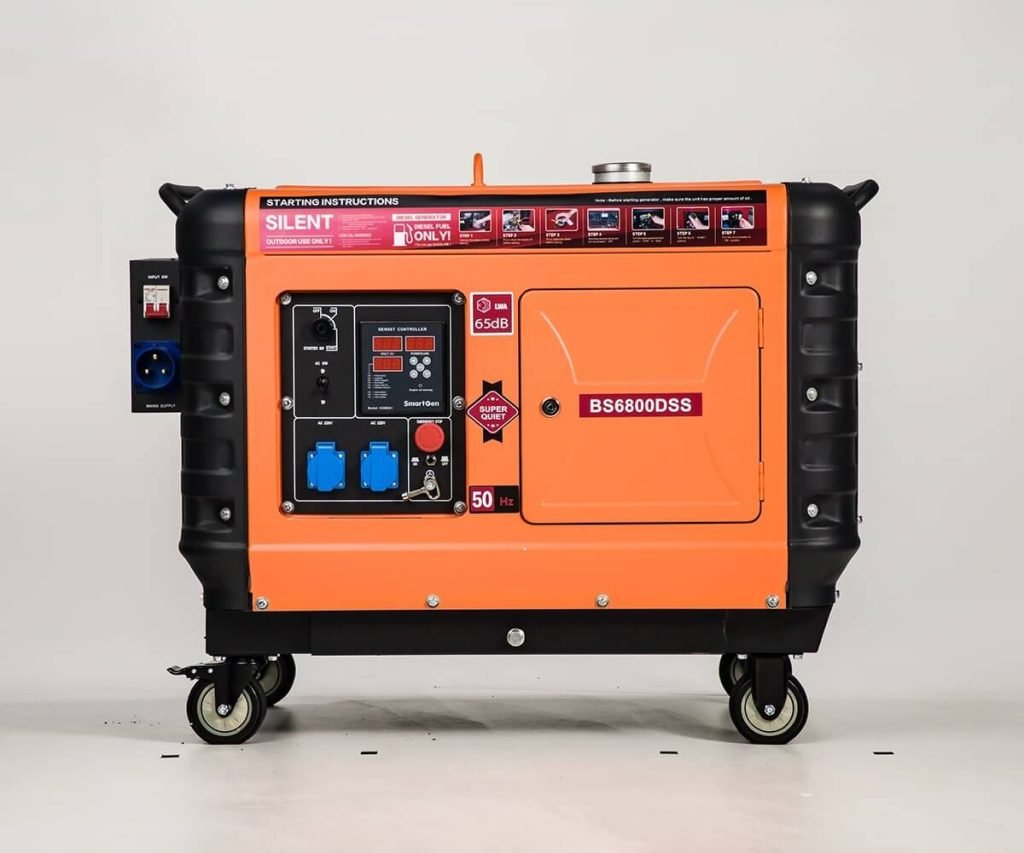
Power outages can disrupt daily life, leaving homes dark, cold, or disconnected. From natural disasters to grid instability, the need for reliable backup power is more critical than ever. Small diesel generators offer a robust, efficient, and increasingly quiet solution to keep your essential appliances running, ensuring comfort and continuity when the grid fails. These compact powerhouses, typically ranging from 1 to 10 kilowatts (kW), are designed to provide peace of mind for homeowners, outdoor enthusiasts, and anyone needing dependable off-grid electricity.
This flagship guide will delve into everything you need to know about small diesel generators, from their core mechanics to choosing the perfect model for your needs, ensuring safe operation, and maintaining them for years of reliable service.
The Unseen Powerhouse: Why Small Diesel Generators Stand Out
Small diesel generators are engineering marvels, converting diesel fuel into mechanical energy and then into electricity through combustion. While they might seem complex, their function is straightforward: to provide a steady stream of power. The U.S. Department of Energy praises their efficiency and longevity, making them a wise investment for long-term power security. With an estimated 1.2 billion people globally still lacking electricity access and over 60 million Americans experiencing annual outages, these generators play a vital role in bridging power gaps.
What makes small diesel generators particularly attractive for home use? They offer unmatched reliability, ensuring your essential devices stay operational during crucial moments. Diesel engines are known for consuming less fuel than their gasoline counterparts due to diesel's higher energy content, translating to cost-effective operation over extended periods. For a deeper dive into the science and function behind these reliable machines, we invite you to explore our dedicated guide on Understanding small diesel generators Learn about their internal workings and advantages.
Benefits That Power Your Peace of Mind
- Reliable Backup Power: When the lights go out, a small diesel generator ensures your home remains functional, keeping critical systems like medical devices, refrigerators, and security systems online.
- Fuel Efficiency: Diesel generators are champions of fuel economy. Their engines are designed for endurance, offering longer runtimes on a single tank compared to many other fuel types.
- Supports Essential Appliances: Models typically ranging from 3 kW to 10 kW can comfortably power crucial household items, from your refrigerator and lights to your heating system, making outages far more manageable.
- Portability for Versatile Use: Many small diesel generators come equipped with wheels and handles, making them easy to transport. This portability extends their utility beyond home backup to outdoor events, camping trips, or remote worksites.
- Lower Maintenance Requirements: Diesel engines are built for durability, often requiring less frequent servicing and running for thousands of hours before needing major overhauls, which reduces long-term operational costs.
Selecting Your Power Partner: What to Consider When Choosing a Small Diesel Generator
Choosing the right small diesel generator involves more than just picking the first model you see. It's about matching the generator's capabilities to your specific needs, considering factors like power requirements, noise output, and ease of use. Understanding these elements ensures you invest in a generator that truly serves you, whether for occasional backup or regular off-grid adventures.
Key Factors for an Informed Decision
- Power Output (kW): This is paramount. A small household might need around 2 kW for essential items, while larger homes could require 5 kW or more. Always calculate your total wattage (both starting and running) to avoid underpowering your needs.
- Fuel Efficiency: Look for generators with features like automatic load management or Eco-Throttle systems, which optimize fuel consumption based on demand. Diesel generators can achieve over 30% efficiency, making them a smart choice for extended use.
- Portability: If you plan to move your generator frequently, prioritize lightweight designs with sturdy handles and wheels. Models like the Honda EU2200i, for example, demonstrate excellent portability at around 47 lbs.
- Noise Levels (dB): Noise significantly impacts usability, especially in residential areas. Quieter models, often featuring sound-dampening technologies, enhance user experience and prevent disturbances. The Yamaha EF2000iSv2, at around 51.5 dB, is a great example of a low-noise option. Always check local noise regulations.
- Build Quality: A high-quality generator signifies durability and reliability. Look for robust materials, protective casings, and shock-resistant features that promise longevity.
- Maintenance Requirements: Consider the simplicity of maintenance tasks, the availability of parts, and how often routine servicing like oil changes (typically every 100-150 hours or six months) is needed.
- Safety Features: User protection is critical. Ensure your chosen generator includes automatic shutoff, surge protection, and proper grounding features as recommended by safety organizations like OSHA.
- Warranty and Support: A generous warranty period indicates the manufacturer's confidence in their product, while robust customer support is invaluable for any troubleshooting or service needs.
Making an informed decision on your next power solution is crucial. For an exhaustive breakdown of how to weigh these factors and pinpoint the ideal model for your situation, check out our guide on Choosing the Right Small Diesel.
Beyond the Blackout: Versatile Applications of Small Diesel Generators
While home backup is a primary application, the inherent portability and efficiency of small diesel generators unlock a world of other uses. Their compact design and robust power output make them ideal companions for various scenarios where grid power simply isn't an option.
Unleashing Their Full Potential
Think about using a small diesel generator for powering tools at a remote construction site, bringing electricity to your campsite for a truly comfortable outdoor experience, or even running equipment for a festive outdoor event. Portable generators, defined by NEMA as "easily transported and moved from one location to another for temporary use," are specifically designed for this flexibility, often featuring inverter technology for clean power safe for sensitive electronics. This adaptability makes them invaluable assets far beyond just emergency situations. To dive deeper into the many creative ways these generators can power your life, we invite you to Explore generator applications Small diesel generator for home, recreation, and work.
Prolonging Your Power: Maintenance for Longevity and Efficiency
A small diesel generator is an investment, and like any valuable asset, it thrives on proper care. Regular maintenance isn't just about preventing breakdowns; it's about ensuring your generator operates at peak efficiency, extends its lifespan, and delivers reliable power exactly when you need it most. Neglecting routine checks can lead to costly repairs and, worse, a generator that fails when an emergency strikes.
Essential Maintenance Steps for Peak Performance
- Monitoring Oil Levels: Check oil before each use and change it every 100-150 hours or every six months, whichever comes first.
- Inspecting Fuel Quality: Regularly check for water or contaminants in your diesel fuel. Use a fuel filter and appropriate additives to prevent fuel gelling, especially in colder climates.
- Exercising the Generator: Run your generator under a moderate load for about 30 minutes monthly. This practice circulates fluids, lubricates seals, and helps prevent fuel from gelling or the battery from depleting.
- Performing Routine Cleaning: Keep the exterior, cooling vents, and air filter clean. This prevents debris buildup, which can cause overheating and reduce efficiency.
- Checking Battery Condition: Inspect and clean battery terminals regularly. Ensure the battery is fully charged and replace it every 3-5 years or as needed.
- Reviewing Electrical Connections: Periodically check all electrical connections for wear, damage, or looseness, and tighten them as necessary to ensure safe and consistent power delivery.
By adhering to these crucial steps, you'll significantly extend the life of your generator and ensure its readiness. For a comprehensive guide to maximizing your generator's lifespan and understanding detailed servicing protocols, make sure to read our full article on Maintenance, Servicing & Longevity of these essential devices.
Operating Safely: Installation, Operation, and Security
Operating a small diesel generator involves more than just pressing a button; it requires a commitment to safety. Improper installation or unsafe operation can lead to dangerous situations, including carbon monoxide poisoning, electric shock, and fire hazards. Always prioritize safety to protect yourself, your family, and your property.
Safety features are critical and often overlooked when choosing a generator. Look for models with automatic shutoff mechanisms that detect low oil pressure or high temperatures, surge protection to safeguard your appliances, and clearly marked grounding features. Always operate your generator outdoors in a well-ventilated area, far from windows and doors, to prevent carbon monoxide accumulation. Never refuel a hot generator, and always follow the manufacturer's instructions for startup, shutdown, and connection. To ensure you're fully equipped to handle your generator with confidence and safety, we recommend reviewing our in-depth guide on Generator installation, operation, safety.
Leading the Charge: Noteworthy Small Diesel Generator Models
The market offers a range of excellent small diesel generators, each with unique features designed to meet different needs. Here’s a look at some models that stand out for their performance, reliability, and innovation:
Top Picks for Home and Versatile Use
- Yanmar Diesel Engine (Robust Portable Model): Known for its robust 435cc Yanmar diesel engine, this model delivers clean, smooth output with minimal harmonic distortion. Its large 12-gallon tank can provide over 32 hours of runtime at 50% load, all within a durable steel frame and portable design featuring a built-in lifting eye.
- Honda EG2800i: A reliable choice with 2800 watts of power, celebrated for its quiet operation and excellent fuel efficiency thanks to its Eco-Throttle system.
- Yamaha EF2800i: Offering 2800 watts, this portable generator boasts low noise levels and a smart throttle system to reduce fuel consumption, making it safe for sensitive electronics.
- Westinghouse iGen4500DF: A versatile 4500-watt inverter generator with dual-fuel capability (gasoline/propane) and remote start for ultimate convenience.
- Generac GP2200I: Lightweight and compact, this 2200-watt generator features TruePower Technology for clean power, excelling in fuel efficiency and durability.
- Cummins Onan P2500i: A portable 2500-watt inverter generator known for its quiet operation, compact size, lightweight design, and superior build quality.
Heavy-Duty, Prime Power Options
For those requiring more robust, continuous power, particularly in commercial or demanding home environments, Atlas Copco offers impressive solutions:
- Atlas Copco QAS ID Portable Diesel Generators: These multi-voltage, sound-attenuated units are driven by liquid-cooled Isuzu diesel engines. They feature heavy-duty, weatherproof, powder-coated galvannealed steel enclosures with 110% fluid containment in the base frame.
- QAS 25 ID: Offers 20 / 25 kW / kVA at 60 Hz, powered by a 4LE2T engine.
- QAS 45 ID: Delivers 36 / 45 kW / kVA at 60 Hz, with a 4LE2X engine.
- QAS 70 ID: Provides 56 / 70 kW / kVA at 60 Hz, using a 4JJ1X engine.
The Future of Power: Sustainability and Small Diesel Generators
While small diesel generators offer undeniable benefits, it's also important to acknowledge their environmental impact. Concerns around air pollution, noise, and greenhouse gas emissions are valid. The industry is continuously evolving, with experts recommending emissions reduction technologies, regular maintenance, and a thoughtful transition towards cleaner energy sources like solar or wind.
Investing in hybrid systems that combine diesel power with renewable energy, or simply promoting energy efficiency in your home, can significantly mitigate these drawbacks. The journey toward a sustainable future for power generation is ongoing, and small diesel generators will likely continue to play a crucial, albeit evolving, role in ensuring reliable energy access.
Powering Forward with Confidence
Small diesel generators are more than just emergency equipment; they are reliable, efficient, and versatile tools that empower homeowners with energy independence. By understanding their benefits, carefully considering your options, committing to regular maintenance, and prioritizing safety, you can harness the full potential of these powerful machines. As our reliance on electricity grows and grids face increasing pressures, a well-chosen and properly maintained small diesel generator stands ready to deliver quiet, efficient home backup power, ensuring your world keeps turning, even when the power grid doesn't.