Power outages, remote worksites, spontaneous camping trips, or simply needing reliable backup for your home – these scenarios all lead to one crucial question: How do you get dependable, efficient electricity when the grid isn't an option? If you're diving into the world of portable power, you're likely searching for the Top Small Diesel Generator Models & Reviews that actually deliver.
While "small" and "diesel" don't always go hand-in-hand in the portable generator market – dedicated compact diesel units are less common than you might think – their reputation for fuel efficiency, longevity, and robust performance is well-earned. The good news? Modern multi-fuel generators (running on gasoline, propane, or even natural gas) often step in to fill the portable power void with comparable reliability and incredible versatility.
This guide cuts through the noise to bring you an expert-led look at the best options available, whether you're committed to diesel or exploring its highly capable multi-fuel cousins.
At a Glance: Your Portable Power Takeaways
- True Diesel is Rare (but available): While diesel generators are workhorses, truly "small" and "portable" diesel-only models are a niche. Expect to find more multi-fuel options that offer similar benefits like efficiency and durability.
- Fuel Flexibility is Key: Dual-fuel (gasoline/propane) or tri-fuel (gasoline/propane/natural gas) generators offer incredible versatility, letting you choose the most available or cost-effective fuel source.
- Inverter Tech for Clean Power: If you're powering sensitive electronics (laptops, phones, medical devices), an inverter generator is non-negotiable for its clean, stable power output.
- Wattage Matching is Crucial: Don't just guess your power needs. List all appliances you might run, noting their running watts and surge (starting) watts.
- Safety First: Look for essential features like CO detectors, low-oil shutdown, and overload protection to keep you and your equipment safe.
The Diesel Advantage (and its Multi-Fuel Companions)
When you hear "diesel generator," certain images might come to mind: industrial powerhouses, rumbling machines on construction sites. This isn't far off the mark. Diesel engines are renowned for their:
- Fuel Efficiency: They typically consume less fuel than gasoline engines for the same power output, leading to longer run times and lower operating costs.
- Durability & Longevity: Diesel engines are built tough, often lasting longer and requiring less frequent maintenance than their gasoline counterparts. They handle heavy loads and continuous operation with aplomb.
- Safety (Relative to Gasoline): Diesel fuel is less volatile than gasoline, making it safer to store and handle.
However, the "small" and "portable" part of the equation complicates things. Dedicated small diesel generators can be heavier, louder, and often more expensive upfront. This is precisely why multi-fuel generators have gained such popularity in the portable space. They offer a compelling blend of power, reliability, and the flexibility to adapt to whatever fuel is most accessible, echoing many of the practical benefits diesel users seek. For more insights into small diesel generators and their capabilities, you can always learn more about small diesel generators.
Let's dive into the models that truly stand out, covering both the rare dedicated diesel and the versatile multi-fuel alternatives.
Featured Generators: Powering Your World
Navigating the specifications of different generators can feel like deciphering a foreign language. We've broken down some of the top contenders, highlighting their strengths and ideal use cases to help you make an informed decision.
The True Diesel Contender: Built for Efficiency and Endurance
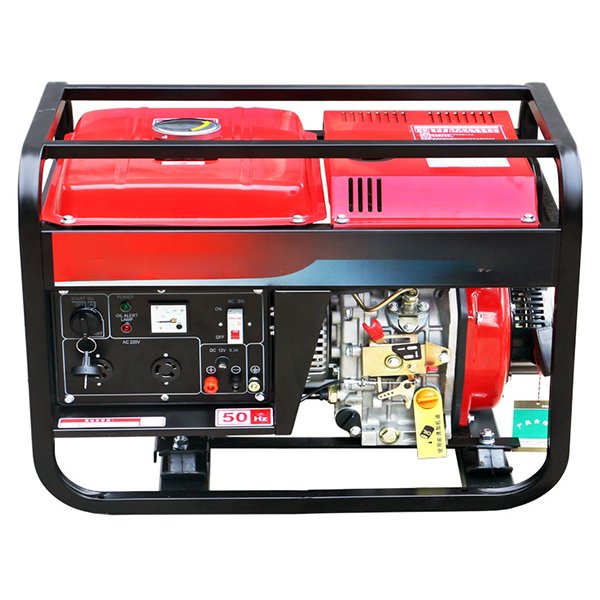
When you're after a genuine diesel workhorse in a relatively compact form, options narrow significantly. The Futchoy model aims to fill this specific niche.
- Futchoy 196CC 4-Stroke Diesel Engine Single Cylinder Portable Generator
- What it is: A rare breed in the portable market – a true diesel-only generator designed for field work and remote sites where diesel fuel might be more readily available or preferred for its efficiency.
- Engine & Design: Powered by a 196cc 4-stroke diesel engine, it emphasizes advanced cooling and optimized fuel/intake/exhaust systems. This design is crucial for maximizing fuel savings and ensuring efficient energy conversion, leaning into diesel's core strength. Its lightweight, durable alloy box body suggests it's built to withstand the rigors of frequent transport and use.
- Ideal for: Users who specifically need a diesel generator for its fuel type, whether for existing fuel supply compatibility (e.g., matching a vehicle's fuel) or for its inherent efficiency and durability in continuous, demanding applications. Perfect for small job sites, off-grid cabins, or remote power needs where gasoline or propane might be less practical.
- Considerations: The listing doesn't specify wattage, which is a significant piece of information for power planning. You'd need to confirm its output to ensure it meets your specific appliance requirements. Diesel generators can also be louder than comparable gasoline or inverter models.
Multi-Fuel Powerhouses: Heavy-Duty Performance for Homes & Job Sites
These generators offer substantial power and the flexibility of multiple fuel types, making them excellent choices for large home backup or demanding professional use.
- Westinghouse 14500 Peak Watt Tri-Fuel Portable Generator
- What it is: A beast of a generator, offering massive power output across three fuel types: gasoline, propane, and natural gas. This tri-fuel capability is a game-changer for long-term emergencies or varied fuel availability.
- Power & Run Time: It cranks out an impressive 14,500 peak watts and 11,500 running watts on gasoline from its robust 550cc 4-Stroke OHV engine. Expect up to 19 hours of runtime on a 9.5-gallon gasoline tank, or 7 hours on a 20 lb propane tank. This kind of endurance is critical during extended outages.
- Features: Remote electric start means no fumbling with pull cords in the dark. It's transfer switch ready, allowing for safe and easy integration into your home's electrical system, making it ideal for powering a large house during an emergency. A built-in fuel gauge helps you monitor your supply.
- Ideal for: Large homes, extensive RV setups, or heavy-duty job sites where maximum power output and fuel flexibility are paramount. If you need to run most of your household appliances, including central AC, this is a top contender.
- Considerations: Its sheer power means it's a large and heavy unit, despite being portable. Noise levels will likely be higher than inverter models.
- WEN 11,000-Watt Dual Fuel Portable Generator (DF1100T)
- What it is: A high-output dual-fuel generator (gasoline/propane) designed for serious backup power or substantial outdoor projects.
- Power & Engine: Delivers 11,000 surge watts and 8,300 running watts on gasoline (9,500 surge / 7,500 running watts on propane) from a 457cc engine. This is ample power for many household needs.
- Features: Features include an electric start for convenience and a handy voltage selector (120V/240V) to accommodate different appliance requirements. Fuel switching is a breeze with a simple dial.
- Ideal for: High-output emergency home backup, powering multiple tools on a construction site, or handling large recreational events. It strikes a good balance between raw power and user-friendly features.
- Considerations: Like other high-wattage traditional generators, it won't be as quiet as an inverter model, and its size makes it less suitable for casual portability compared to smaller units.
Versatile Dual-Fuel Workhorses: Balancing Power and Portability
These models provide a fantastic middle ground, offering solid power with the convenience of dual-fuel operation, often incorporating inverter technology for cleaner, quieter output.
- WEN Quiet 6800-Watt Dual Fuel Inverter Generator (DF680iX)
- What it is: A true marvel of modern generator technology – a dual-fuel inverter generator. This means you get the fuel flexibility of dual-fuel with the clean, stable power and quiet operation of an inverter.
- Power & Engine: Its 224cc engine generates 6,800 surge and 5,100 rated watts on gasoline (6,000 surge / 4,500 rated watts on propane). This is enough to run essential home appliances, most RVs, and sensitive electronics.
- Inverter Advantage: The inverter technology produces "clean" power, essential for laptops, smartphones, and medical equipment, preventing damage from voltage fluctuations.
- Safety & Features: Equipped with a CO Watchdog sensor for carbon monoxide safety, a critical feature for any indoor or semi-enclosed use. It also boasts bonded-neutral 240V for Level 2 EV charging, electric start, and an RV-ready design.
- Ideal for: RV enthusiasts, emergency home backup (especially for homes with sensitive electronics), camping, or anyone needing robust, quiet, and clean power with fuel flexibility. Its EV charging capability is a unique bonus.
- Considerations: While quieter than traditional generators, 6800 watts is still a significant output, so it won't be library-silent.
- WEN 4,750-Watt Dual Fuel Portable Generator
- What it is: A well-rounded dual-fuel option that balances power output, fuel choice, and user-friendly features for general residential or outdoor use.
- Power & Engine: Offers 4,750 surge watts and 3,800 running watts on gasoline (slightly less on propane) from its 224cc engine. This is ample power for essential home circuits, tailgating, or powering tools.
- Features: Like its WEN cousins, it includes a simple turn dial for fuel switching, a 120V/240V voltage selector, and electric start. A wheel kit ensures easy mobility.
- Ideal for: Homeowners looking for a solid backup for critical appliances (fridge, lights, small electronics), campers needing more than basic power, or anyone with light to moderate job site requirements.
- Considerations: Not an inverter generator, so less ideal for very sensitive electronics without a separate surge protector. Its noise level will be typical for a conventional portable generator of this size.
Compact & Clean Power: Designed for Sensitivity and Portability
These smaller inverter generators excel where quiet operation, clean power, and easy transport are the highest priorities.
- WEN 3600-Watt Portable Inverter Generator
- What it is: A compact and lightweight inverter generator, perfect for situations where portability and clean power for sensitive devices are paramount.
- Power & Engine: A 149cc engine provides 3,600 surge watts and 2,900 running watts. This is enough to run an RV's AC, a fridge, lights, and charge devices.
- Inverter Advantage: Delivers clean, stable power, making it safe for all your sensitive electronics.
- Features: At just 46 pounds, it's remarkably light for its output. Includes a fuel shutoff feature to run the carburetor dry, which helps extend engine life and prevent fuel-related issues during storage.
- Ideal for: Small RVs, car camping, tailgating, or light home backup where space, weight, and the need for pristine power are critical.
- Considerations: Single-fuel (gasoline only), so lacks the flexibility of dual-fuel models. Its output is sufficient for essentials but won't power an entire home.
- Cummins Onan P4500I Portable Inverter Generator
- What it is: A premium inverter generator from a brand synonymous with reliable power, offering a blend of power, clean output, and advanced features.
- Power & Engine: Features a robust 7.3 HP 224cc OHV 4-stroke engine, producing clean inverter power. While the exact running/surge watts aren't specified in the listing, Onan's P-series generators typically offer competitive output for their class (the 4500I name usually indicates a max output around 4500 watts).
- Features: Includes remote start for convenience and parallel capabilities, meaning you can connect it with a second identical generator to double your output (up to 50 amps) if your power needs grow. This scalability is a huge advantage.
- Ideal for: RV applications, home backup for essential circuits, job sites requiring clean power for tools, or any recreational use where quiet operation and the ability to expand power are valued.
- Considerations: Cummins Onan is a premium brand, so expect a higher price point. Confirm specific running/surge wattage for your needs.
Extending Your Power Play: Essential Accessories
A generator is only as good as its fuel supply. For diesel users, extending runtime is often a priority.
- Power Products Universal 4 Gallon Diesel Generator Fuel Tank
- What it is: A practical accessory designed to provide additional fuel capacity for compatible 5-7KW open-frame diesel generators.
- Construction: Made from high-quality, lightweight, rust-resistant ABS with a sleek chrome finish, ensuring durability and easy handling.
- Benefits: Extends the operational runtime of your diesel generator, reducing the frequency of refueling, which is especially useful during long power outages or continuous work.
- Considerations: Ensure compatibility with your specific generator model before purchasing. Its dimensions (18”L x 13”W x 5 1/4”H) make it relatively compact for an auxiliary tank.
Your Buying Guide: Navigating the Generator Jungle
Choosing the right generator isn't just about picking the most powerful one. It's about matching its capabilities to your unique needs. Here's a breakdown of key factors to consider:
1. Fuel Type & Availability: Diesel, Dual-Fuel, or Tri-Fuel?
- Diesel: Offers superior fuel efficiency and longevity. Ideal if you already have a diesel supply, prefer its safer storage, or need a robust workhorse. However, small portable diesel generators are niche, often heavier, and can be more expensive upfront.
- Dual-Fuel (Gasoline/Propane): Provides excellent flexibility. Gasoline is widely available, while propane stores indefinitely, burns cleaner, and is often preferred for quieter operation and reduced maintenance.
- Tri-Fuel (Gasoline/Propane/Natural Gas): The ultimate in fuel flexibility. Natural gas, when connected to a home's supply, offers virtually unlimited runtime without needing to refuel. This is a game-changer for extended outages but requires professional installation.
- Actionable Tip: Consider what fuel types are most accessible in your area during emergencies. Propane tanks are common for grills and can be stored. Natural gas offers unparalleled convenience if you have a connection.
2. Power Output & Load Requirements: How Much Juice Do You Need?
This is where many people underestimate. You need to calculate both running watts and surge (starting) watts.
- Running Watts: The continuous power an appliance needs.
- Surge Watts: The brief burst of power many motor-driven appliances (refrigerators, AC units, pumps) need to start up. This can be 2-3 times their running wattage.
- Calculation: List all appliances you might run simultaneously. Add up their running watts. Identify the one with the highest surge watt requirement and add that to your total running watts (minus its running watts, as it's only a peak requirement for a moment).
- Typical Needs: Small portable needs usually range from 3,000 to 5,000 running watts for essentials. Larger homes or job sites might need 7,000 to 12,000+ watts.
3. Portability & Weight: Can You Actually Move It?
A "portable" generator isn't always easy to port.
- Under 50 lbs: Truly lightweight and easy to carry by hand, often suited for camping or very light backup. The WEN 3600-Watt Inverter is a good example.
- 50-150 lbs: Most common range for versatile portable generators. Look for integrated wheel kits and sturdy handles for easier transport.
- 150+ lbs: Heavier duty units, often with large wheels, that are portable in the sense they aren't stationary, but still require significant effort to move.
4. Noise Levels & Safety Features: Protect Your Ears and Your Life
- Noise Levels (dB): Measured in decibels.
- Traditional Generators: Typically 70-80 dB, comparable to a vacuum cleaner or noisy restaurant.
- Inverter Generators: Often 50-65 dB, similar to a normal conversation or dishwasher. Essential for camping, RVs, or residential areas where noise is a concern. The WEN Quiet 6800-Watt Inverter exemplifies this.
- Safety Features: Non-negotiable. Look for:
- Automatic Low-Oil Shutdown: Protects the engine from damage.
- Carbon Monoxide (CO) Detector: Crucial for safety, as CO is colorless and odorless. The CO Watchdog sensor on the WEN Quiet 6800-Watt is a prime example.
- Overload Protection: Prevents damage to the generator and connected appliances.
- Sturdy, Fire-Safe Housing: Ensures physical protection.
5. Starting Mechanism: Convenience is King
- Manual Pull Cord: Basic, reliable, but can be strenuous, especially in cold weather.
- Electric Start (Key Start/Push Button): Much more convenient, often powered by a small onboard battery.
- Remote Electric Start: The ultimate convenience, allowing you to start the generator from a distance. The Westinghouse 14500W offers this.
6. Fuel Efficiency & Run Time: How Long Can It Go?
- Diesel Advantage: Diesel engines inherently offer superior mileage per gallon.
- Optimized Systems: Look for generators with advanced cooling and optimized fuel systems to maximize efficiency.
- Tank Capacity: A larger fuel tank generally means longer run times. Consider external accessory tanks, like the Power Products 4 Gallon Diesel Fuel Tank, for extending operation without constant refueling.
- Load Sensitivity: Generators are most fuel-efficient when running at about 50-75% of their rated load.
7. Maintenance & Durability: Built to Last
- Construction Materials: Durable construction, like alloy housings (e.g., Futchoy), means a longer operational life.
- Engine Type: 4-stroke engines are generally more durable and fuel-efficient than 2-stroke.
- Serviceability: Opt for units with accessible components for routine maintenance (oil changes, spark plugs, air filters).
- Enhanced Cooling: Crucial for sustained operation and engine longevity.
8. Additional Features: The Bells and Whistles That Matter
- Parallel Capabilities: Allows you to link two smaller inverter generators to combine their power output, offering scalability. The Cummins Onan P4500I is a great example.
- Transfer Switch Ready: Essential for safe and easy integration with your home's electrical panel (requires professional installation). The Westinghouse 14500W is built for this.
- Voltage Selector (120V/240V): Necessary for running certain high-draw appliances or tools that require 240V power. WEN 11,000-Watt and 4,750-Watt models offer this.
- RV-Ready Outlets: Specific outlets (e.g., 30A RV receptacle) for direct connection to recreational vehicles. The WEN Quiet 6800-Watt Inverter has this.
- EV Charging Capability: A forward-thinking feature for electric vehicle owners, like the bonded-neutral 240V on the WEN Quiet 6800-Watt.
- Fuel Gauge: Simple yet invaluable for monitoring your fuel level and avoiding unexpected shutdowns.
Beyond the Specs: Real-World Considerations
Even with the perfect generator, smart operation is key to longevity and safety.
- Proper Placement: Always operate generators outdoors in a well-ventilated area, away from windows and doors, to prevent carbon monoxide buildup.
- Maintenance Schedule: Adhere to the manufacturer's recommended maintenance schedule. Regular oil changes, air filter cleaning, and spark plug checks will drastically extend your generator's life.
- Fuel Management: For gasoline generators, use fresh fuel and consider fuel stabilizers for storage. For propane, ensure tanks are correctly filled and stored safely. Diesel fuel requires specific storage considerations to prevent gelling in cold weather.
- Breaking It In: Run a new generator for a few hours at varying loads (but below full capacity) before its first oil change to help seat the engine components properly.
Common Questions You Might Have
Q: Are small diesel generators really less common than multi-fuel?
A: Yes. While larger industrial diesel generators are plentiful, truly small and portable diesel-only models are a niche market. The advantages of fuel flexibility, lighter weight, and sometimes lower upfront cost often push consumers towards dual-fuel or tri-fuel options for portable use cases.
Q: Can I run sensitive electronics on any portable generator?
A: No. You absolutely need an inverter generator for sensitive electronics like laptops, smartphones, medical devices, and smart TVs. Traditional generators produce "dirty" power with voltage fluctuations that can damage these devices. Models like the WEN Quiet 6800-Watt Inverter or Cummins Onan P4500I are designed for clean power.
Q: How do I store generator fuel safely?
A:
- Gasoline: Store in approved, clearly labeled containers away from living areas and heat sources. Add fuel stabilizer for long-term storage (over a month).
- Propane: Store tanks upright in a well-ventilated outdoor area. They have a virtually indefinite shelf life.
- Diesel: Store in approved containers. Diesel is less volatile but can "gel" in extreme cold. Use anti-gelling additives in winter.
Q: Is it okay to use an extension cord with a generator?
A: Yes, but use heavy-duty, outdoor-rated extension cords (10- or 12-gauge) appropriate for the distance and power draw. Never daisy-chain cords. For connecting to home circuits, use a transfer switch installed by a qualified electrician – never backfeed power into your home's electrical system.
Finding Your Perfect Power Partner
Choosing the right small portable generator is an investment in peace of mind and operational capability. Whether you opt for the robust efficiency of a dedicated diesel unit like the Futchoy, the massive multi-fuel power of a Westinghouse, or the quiet, clean versatility of a WEN or Cummins Onan inverter, the key is aligning the generator's strengths with your specific demands.
Take the time to assess your power needs, consider your fuel access, and prioritize features like safety and portability. With this guide in hand, you're well-equipped to select a generator that will reliably serve you for years to come, keeping your lights on, your tools humming, and your adventures powered up.