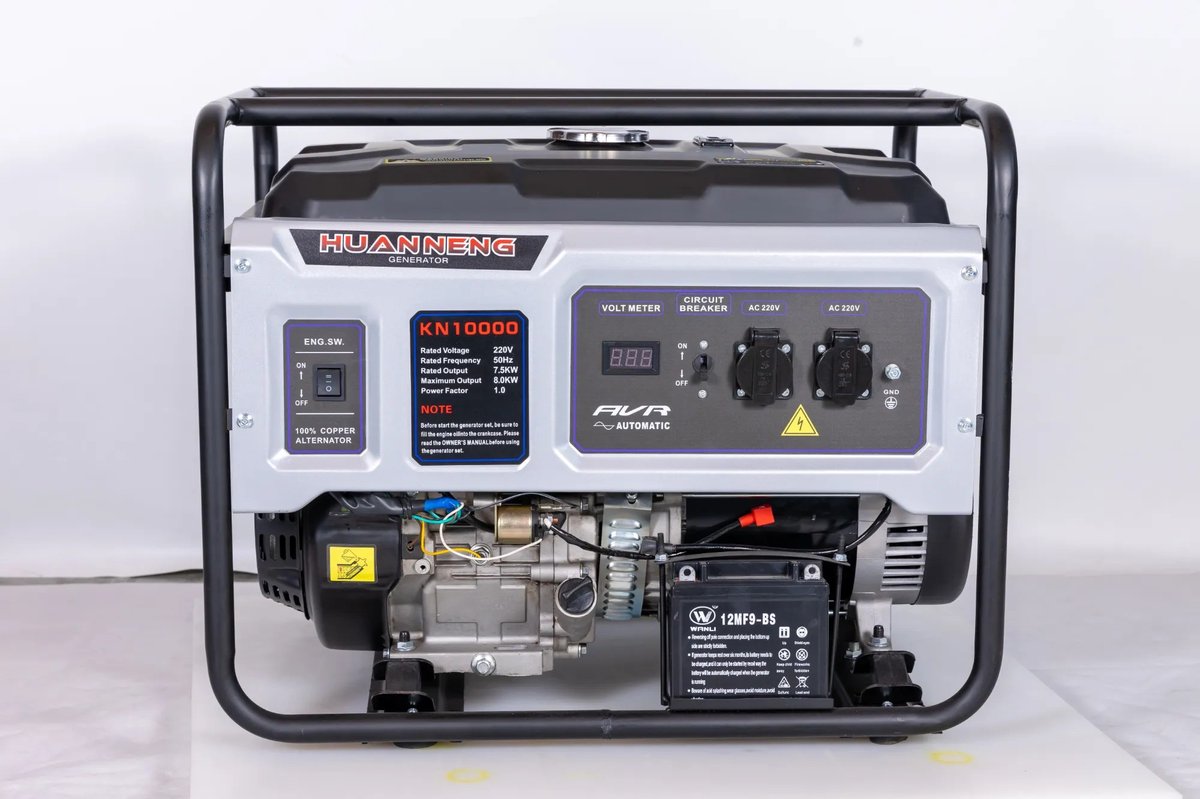
The lights flicker, then vanish. Your refrigerator sighs into silence. For millions of homeowners, this scenario is a familiar dread, a stark reminder of our dependence on a steady power supply. While the inconvenience is real, the solution can be surprisingly straightforward and robust: understanding small diesel generators. These unsung heroes offer a powerful blend of reliability, efficiency, and longevity, ensuring your home remains a beacon of comfort and safety, even when the grid goes dark.
Over 85% of homeowners facing extended power outages (lasting more than six hours) turn to generators for relief, and for good reason. Diesel units, in particular, stand out, consuming 40-50% less fuel per hour compared to their gasoline counterparts. This isn't just a marginal gain; it translates into significantly longer runtimes and substantial savings, making them an increasingly popular choice for proactive home power security.
At a Glance: Your Small Diesel Generator Essentials
- Unmatched Reliability: Diesel engines are built to last, offering 3 times the lifespan of gasoline generators.
- Superior Fuel Efficiency: Enjoy 8-12 hours of continuous power on a single tank, often triple that of gas units.
- Rapid Startup: From cold start to full power in just 15-30 seconds, getting you back online quickly.
- Cost-Effective Ownership: Expect to recover your investment in 18-24 months through fuel savings and reduced maintenance.
- Comprehensive Setup: Requires a generator unit (3-15kW), high-quality diesel fuel, a transfer switch for safety, heavy-duty cords, and essential protection like a weatherproof cover and CO detector.
- Crucial Maintenance: Regular test runs, oil changes every 100 hours, and proper fuel management are key to longevity.
Why Diesel? Unpacking the Core Advantages for Home Power
When it comes to safeguarding your home against power interruptions, small diesel generators aren't just an option—they're often the optimal choice. Their robust design and operational characteristics make them a cornerstone of dependable backup power.
First, consider reliability. Diesel engines are renowned for their durability and consistent performance, especially under load. Unlike gasoline engines, which are often designed for intermittent use, diesel powerhouses thrive on sustained operation, providing unwavering output when you need it most.
Then there's fuel efficiency. Diesel fuel itself contains more energy per gallon than gasoline. This higher energy density, combined with the inherently more efficient compression-ignition process of a diesel engine, means your generator consumes considerably less fuel. This isn't theoretical; diesel units typically run for 8-12 hours on a single tank, approximately three times longer than equivalent gas units, making them ideal for prolonged outages. This efficiency also contributes to a quicker return on investment, typically within 18-24 months, through fuel savings and lower maintenance costs.
Finally, the longevity of a diesel generator is hard to beat. With average lifespans of 15,000-20,000 hours, these machines can last 20-30 years in residential use. This contrasts sharply with gasoline engines, which typically last a third as long. When you invest in a diesel generator, you're not just buying a backup power source; you're securing decades of peace of mind. For a deeper dive into these benefits and more, consult our comprehensive small diesel generator guide.
What Exactly Is a Small Diesel Generator?
At its heart, a small diesel generator is a compact, self-contained power plant designed to provide electricity on demand. Typically ranging from 1 to 10 kilowatts (kW), these units are powered by a diesel engine that drives an electrical generator. The process is straightforward: diesel fuel is combusted within the engine, converting chemical energy into mechanical energy. This mechanical energy then spins an alternator (the electrical generator component), which produces AC electricity to power your home.
These systems comprise a few core components:
- The Diesel Engine: The workhorse that drives the system, burning fuel to create mechanical motion.
- The Electrical Generator (Alternator): Converts mechanical energy into usable electricity.
- Fuel Tank: Holds the diesel fuel required for operation.
- Control Panel: Your interface for starting, stopping, and monitoring the generator.
Their compact size and often portable design make them versatile, suitable for everything from residential backup to outdoor events and construction sites, especially in areas where grid power is unreliable.
Building Your Power Fortress: Essential Components for a Small Diesel Setup
A robust small diesel generator setup involves more than just the generator itself. Each component plays a critical role in ensuring safe, efficient, and reliable power delivery.
The Heart of the System: Your Diesel Generator Unit
Small diesel generators for home use typically range from 3 to 15 kW in capacity. This range is sufficient to power critical household appliances, from your refrigerator and lights to essential communication devices. You'll find models with either air-cooled or liquid-cooled engines. Air-cooled units are generally more compact and suitable for shorter runtimes, while liquid-cooled engines offer superior heat management for longer, continuous operation, often found in larger, more permanent installations.
Fueling Your Security: High-Quality Diesel
The right fuel is paramount. Always use high-quality Ultra-low sulfur diesel (ULSD). ULSD is cleaner-burning and better for modern diesel engines. For long-term storage, always add a fuel stabilizer. Diesel fuel is inherently more stable than gasoline, lasting 6-12 months compared to gasoline's typical 3 months. However, a stabilizer extends this, preventing fuel degradation and potential issues.
The Safety Gateway: A Reliable Transfer Switch
This is not optional. A manual or automatic transfer switch is absolutely essential for safely connecting your generator to your home's electrical panel. It prevents the dangerous scenario of "backfeeding" electricity into utility lines, which can injure or even kill utility workers. Never, under any circumstances, connect a generator directly to your home's electrical panel without a proper transfer switch. Automatic transfer switches offer seamless power transition, while manual ones require you to physically switch over during an outage.
Connecting the Power: Heavy-Duty Cords
For high-power applications, you'll need heavy-duty extension cords, with a 12-gauge minimum recommended to safely carry the load without overheating. Match cord gauge to the amperage requirements of your appliances.
Shielding Your Investment: Protection Measures
- Weatherproof Generator Cover: Protects your unit from the elements, prolonging its life.
- Carbon Monoxide Detector: This is a critical safety device. Generators produce carbon monoxide, an odorless, colorless, and deadly gas. Always position your generator at least 20 feet from windows, doors, and air intakes to prevent CO infiltration into your home. A CO detector provides an early warning if gas levels become unsafe.
Keeping It Running: Maintenance Essentials
- Oil and Filter Kit: Regular oil changes are vital. Most diesel engines use 15W-40 diesel engine oil. Refer to your generator's manual for specific recommendations.
- Battery Maintenance Kit: For 12V electric start models, ensuring your battery is charged and terminals are clean is crucial for reliable startup. A battery tender can keep it topped off during storage.
A Flexible Alternative: Dual-Fuel Generators
If fuel flexibility is a priority, consider dual-fuel generators. These units can run on both diesel and natural gas, offering about 95% of diesel's efficiency with the added benefit of tapping into a potentially unlimited natural gas supply if you have a connection.
Sizing Up Your Needs: How to Choose the Right Generator
Selecting the correct size generator is crucial for efficiency and longevity. An undersized unit won't meet your needs, while an oversized one wastes fuel and can lead to engine issues.
- Assess Your Power Requirements: Start by listing all the critical appliances you want to power during an outage (refrigerator, lights, well pump, furnace, communication devices, etc.). Note their running wattage, then multiply this by 1.25 to account for surge capacity (the extra power appliances like refrigerators and motors briefly draw when starting). Remember, motor-driven appliances can require 2-3 times their running wattage at startup. Most households find that 5-8kW is sufficient for essentials. A power meter can offer a precise measure of actual consumption, which can be 20-30% lower than nameplate ratings.
- Select Generator Size with a Buffer: Once you have your calculated wattage, choose a generator that meets these needs, adding a 20% buffer for future expansion or unexpected demands. A 7kW unit can comfortably handle critical loads for a medium-sized home. Larger homes or small businesses might opt for 10-12kW models to support a wider array of appliances or heavier loads.
Example: If your essential appliances total 4,000 running watts and have a surge requirement of 6,000 watts, a 7kW (7,000-watt) generator would provide sufficient power with a comfortable buffer.
From Crate to Current: Setting Up Your Small Diesel Generator
Proper installation and setup are non-negotiable for safety and performance. Follow these steps meticulously:
- Installation and Safety First:
- Positioning: Place your generator on a level, well-ventilated concrete pad. Crucially, position it at least 20 feet from all windows, doors, and air intakes of your home or any adjacent structures. This strict distance helps prevent dangerous carbon monoxide infiltration.
- Grounding: Ensure the generator is properly grounded according to manufacturer instructions and local electrical codes.
- Transfer Switch Connection: Connect the generator to your home's electrical panel via a professional-installed transfer switch. This ensures safe power transfer and prevents backfeeding into the utility grid.
- Fuel System Preparation:
- Fill the generator's tank with fresh, high-quality ULSD fuel.
- Add a fuel stabilizer for any fuel intended for extended storage. Diesel fuel, while more stable than gasoline, benefits from this to prevent degradation over its 6-12 month shelf life.
- Consider installing a fuel gauge or hour meter to accurately track consumption and plan refueling.
- Initial Startup and Testing:
- Before the first run, ensure all fluid levels (oil, coolant if liquid-cooled) are correct.
- Follow the manufacturer's startup procedure.
- Perform an initial test run under a moderate load (e.g., a few lights and appliances) to ensure everything is functioning correctly.
This initial configuration typically takes 2-4 hours, which is remarkably 60% faster than whole-house generator installations. With this proper generator setup, you'll be well on your way to reliable backup power.
Beyond the First Start: Mastering Maintenance for Peak Performance
A small diesel generator is an investment in your peace of mind, and like any investment, it thrives on regular care. Proactive maintenance can extend its life by up to 40% and prevent 80% of emergency startup failures.
The Golden Rule: Regular Exercise
- Monthly 30-Minute Test Run: Perform a monthly test run for at least 30 minutes, ideally under a small load (e.g., a few lights). This lubricates internal components, circulates fuel and oil, recharges the battery, and helps identify potential issues before an actual outage.
Fluid & Filter Management
- Oil Changes: Change the engine oil every 100 hours of operation or annually, whichever comes first. Always use the specified 15W-40 diesel engine oil.
- Fuel Quality Inspection: Before each use, inspect fuel for water or contaminants. Use a quality fuel filter and consider biocide additives to prevent algae growth, which causes 40% of generator service calls. Rotate stored diesel fuel every 6 months.
- Air Filter: Clean or replace the air filter as per your manufacturer's schedule. A clean filter ensures proper engine breathing and efficiency.
Battery Vitality
- Monthly Checks: For electric start models, check electrolyte levels monthly and ensure terminals are clean and free of corrosion.
- Maintain Charge: Use a battery tender to keep the battery fully charged, especially during long periods of inactivity.
- Replacement: Plan to replace your generator battery every 3-4 years, as even well-maintained batteries degrade over time.
Environmental Protection
- Climate Control: Use a high-quality, weatherproof cover that still allows for adequate ventilation. For fixed installations, consider a permanent shelter to protect against harsh weather.
Keeping Records and Spares
- Documentation: Maintain detailed records of runtime hours, fuel consumption, and all maintenance performed. This helps track service intervals and troubleshoot issues.
- Spare Parts: Keep essential spare parts on hand, such as oil filters, air filters, and potentially a spare fuel filter. This allows for quick, on-the-spot repairs.
For more detailed information, consider reading a comprehensive guide to diesel generator maintenance to keep your unit running smoothly for years.
The Diesel Difference: Unmatched Performance & Efficiency
Small diesel generators consistently outperform other fuel types in several key metrics, solidifying their reputation as a superior choice for long-term power security.
- Fuel Efficiency: Diesel generators operate at an impressive 0.5-0.7 gallons per hour at 50% load. Compare this to gasoline generators, which consume 1.1-1.3 gallons per hour for comparable output. This efficiency translates directly into lower operating costs and extended runtimes.
- Engine Longevity: These engines are built to endure. With an average lifespan of 15,000-20,000 hours, they last three times longer than typical gasoline engines. A well-maintained quality diesel generator can easily serve a residential home for 20-30 years, or 10-15 years in more demanding commercial applications.
- Maintenance Intervals: Diesel engines boast significantly longer service intervals, typically requiring maintenance every 500 hours of operation—double that of gasoline units. This means less frequent downtime and lower overall maintenance costs.
- Cold Weather Performance: Diesel generators offer reliable starting down to -10°F. For temperatures below 32°F, proper winterization is key, which includes using winter-blend diesel fuel and, for maximum reliability, installing an engine block heater.
- Noise Levels: While generators inherently produce noise, modern small diesel units are surprisingly manageable. They typically operate at 65-75 dB at 23 feet, comparable to normal conversation. Advanced models are even quieter, with some designed to run as low as 51.5 dB, making them more neighbor-friendly.
Smart Alternatives & Budget-Friendly Paths
While new diesel generators represent a premium investment, there are cost-effective ways to access their benefits without breaking the bank.
- Remanufactured Units: For budget-conscious buyers, remanufactured diesel generators offer an excellent value. These units provide about 80% of the performance of a new generator at 50-60% of the cost, often backed by warranties, making them a smart, sustainable choice.
- Portable Diesel Models: If your power needs are under 5kW and mobility is a factor, portable diesel units with wheels provide convenience and a significantly lower initial investment (around 70% less than larger fixed units) while retaining diesel's inherent fuel efficiency.
- Lease-to-Own Programs: Many reputable dealers offer financing or lease-to-own programs, spreading the cost of a premium diesel generator over 2-3 years, making it more financially accessible.
- Community Co-ops: In some communities, neighbors pool resources to purchase and share a larger, more efficient generator, reducing individual costs while providing shared power security.
Where Diesel Shines: Versatile Applications for Your Generator
The robust nature and extended runtime of small diesel generators make them incredibly versatile, suitable for a wide array of applications beyond just home backup. For more on their wide array of uses, check out our insights on the versatile applications for small diesel generators.
- Home Emergency Preparedness: The primary use for most homeowners. They reliably power essential appliances like refrigerators (critical for medication), lights, heating/cooling systems, and communication devices during grid outages. Over 60 million Americans experience power outages annually, highlighting the need for reliable backup.
- Outdoor Events: For weddings, concerts, or large family gatherings far from power outlets, a diesel generator provides consistent, long-lasting power for lighting, sound systems, and catering equipment.
- Construction Sites: Diesel generators are a staple on construction sites due to their durability and ability to provide all-day runtime for power tools and site lighting, without frequent refueling.
- RV and Camping: For those who enjoy extended trips off-grid, portable diesel generators offer efficient power for RV appliances, ensuring comfort and convenience far from civilization.
- Small Business Continuity: Many small businesses rely on these units to keep critical operations (POS systems, computers, lighting, security) running during an outage, preventing costly downtime and preserving customer trust.
Avoiding Power Pitfalls: Critical Mistakes to Sidestep
Even the best equipment can fail or underperform if misused. Being aware of common mistakes can save you headaches, money, and potentially dangerous situations.
- Oversizing Your Generator: Purchasing a generator with excessive capacity is a common error. It wastes initial capital and, more importantly, fuel. Generators running consistently below 30% of their capacity can suffer from "wet stacking"—carbon buildup and premature wear due to incomplete combustion. Size your generator accurately to avoid this.
- Neglecting Fuel Quality: This is a major culprit for generator issues. Contaminated or old fuel causes roughly 40% of all generator service calls. Always use fresh, clean ULSD fuel and appropriate additives, especially a biocide, to prevent microbial growth.
- Improper Storage: Failing to properly winterize or prepare your generator for long-term storage can lead to fuel system damage, battery issues, and expensive repairs. Always follow the manufacturer's guidelines for storage.
- Inadequate Ventilation: Positioning a generator in an enclosed or poorly ventilated space is dangerous and harmful to the unit. Poor airflow causes overheating, which can reduce engine life by up to 50% and poses a significant carbon monoxide risk. Always ensure proper clearance and ventilation.
- Skipping Load Testing: Neglecting the monthly 30-minute test run under load is a critical error. This simple act can prevent 80% of emergency startup failures, ensuring your generator is ready when an actual outage strikes.
Beyond the Spark: Environmental & Health Considerations
While highly effective, it's important to acknowledge the broader impacts of diesel generators and embrace mitigation strategies for more sustainable use.
Environmental & Health Footprint
Diesel generators, like all combustion engines, contribute to:
- Air Pollution: Emissions include particulate matter, nitrogen oxides (NOx), and volatile organic compounds (VOCs), which can contribute to smog and acid rain.
- Noise Disturbances: While modern units are quieter, their operation still generates noise that can be disruptive, particularly in residential areas.
- Greenhouse Gas Emissions: Carbon dioxide (CO2) is a byproduct of combustion, contributing to climate change.
- Health Concerns: Particulate matter and other emissions can exacerbate respiratory issues and contribute to other health problems, especially with prolonged exposure.
Sustainable Use and Mitigation Strategies
Experts recommend a multi-faceted approach to mitigate these impacts:
- Emissions Reduction Technologies: Invest in newer generators featuring advanced exhaust after-treatment systems (e.g., diesel particulate filters, selective catalytic reduction).
- Regular Maintenance: Well-maintained generators run more efficiently and produce fewer emissions than neglected ones.
- Hybrid Systems: Consider integrating your diesel generator with cleaner energy sources like solar panels and battery storage. The generator can then act as a backup to a primary renewable system, running only when necessary.
- Energy Efficiency: Reducing your overall energy consumption through efficient appliances and habits lessens the demand on any backup generator.
- Transition to Renewables: Support and encourage broader adoption of renewable energy sources to reduce reliance on fossil fuels in the long term.
Making the Smart Choice: Key Factors for Your Purchase
Choosing the right small diesel generator involves balancing your specific needs with key performance and quality indicators. When you're ready to buy, here's what to consider for your home power security:
- Power Output (kW): Revisit your power assessment. Ensure the generator provides sufficient kilowatts for your calculated energy demands. A 2kW unit might suffice for basic lighting and phone charging, while 5kW+ is needed for larger households running refrigerators and a well pump.
- Fuel Efficiency: Look for models with features like automatic load management or Eco-Throttle technology, which optimize fuel consumption by adjusting engine speed to the current power demand.
- Portability: If you plan to move the generator (for camping, job sites, or simply easier storage), prioritize lightweight designs with sturdy handles and robust wheels. Portable generators are defined by NEMA as easily transported for temporary use.
- Noise Levels: Especially for residential use, noise can be a major factor. Prioritize quieter generators, with some models operating around 51.5 dB. Always check local noise restrictions.
- Build Quality and Durability: Look for durable construction with high-quality materials, protective casings, and shock-resistant features. This ensures your investment stands up to time and use.
- Maintenance Requirements: Assess the simplicity of routine maintenance (oil changes, filter access) and the availability of replacement parts. Easier maintenance means you're more likely to keep up with it.
- Safety Features: Critical safety features include automatic shutoff systems for low oil or overheating, surge protection for sensitive electronics, and robust grounding capabilities.
- Warranty and Customer Support: A longer warranty and a reputation for robust customer support are strong indicators of a manufacturer's confidence in their product and their commitment to you.
For expert advice on selecting a small diesel generator, including specific model recommendations, further research is always a good idea. Some top-rated models known for reliability include the Honda EG2800i (2800 watts, quiet), Yamaha EF2800i (2800 watts, portable), Westinghouse iGen4500DF (4500 watts, dual-fuel), Generac GP2200I (2200 watts, clean power), and Cummins Onan P2500i (2500 watts, quiet, good build).
Your Next Steps: Securing Your Home's Power Future
Navigating the world of backup power can seem daunting, but by understanding small diesel generators, you're already taking a significant step towards securing your home's energy independence. You now understand their unparalleled reliability, fuel efficiency, and longevity, along with the critical components, setup procedures, and maintenance routines that ensure peak performance.
The path to optimal home power security begins with careful planning. Take the time to accurately assess your power needs, research models that fit your budget and requirements, and prioritize safety in every aspect of installation and operation. Remember, a well-chosen and diligently maintained small diesel generator isn't just a machine; it's a dependable partner in safeguarding your comfort, safety, and peace of mind when the unexpected happens. Invest wisely, maintain diligently, and rest assured that you're prepared for whatever comes next.